

Build a Support System
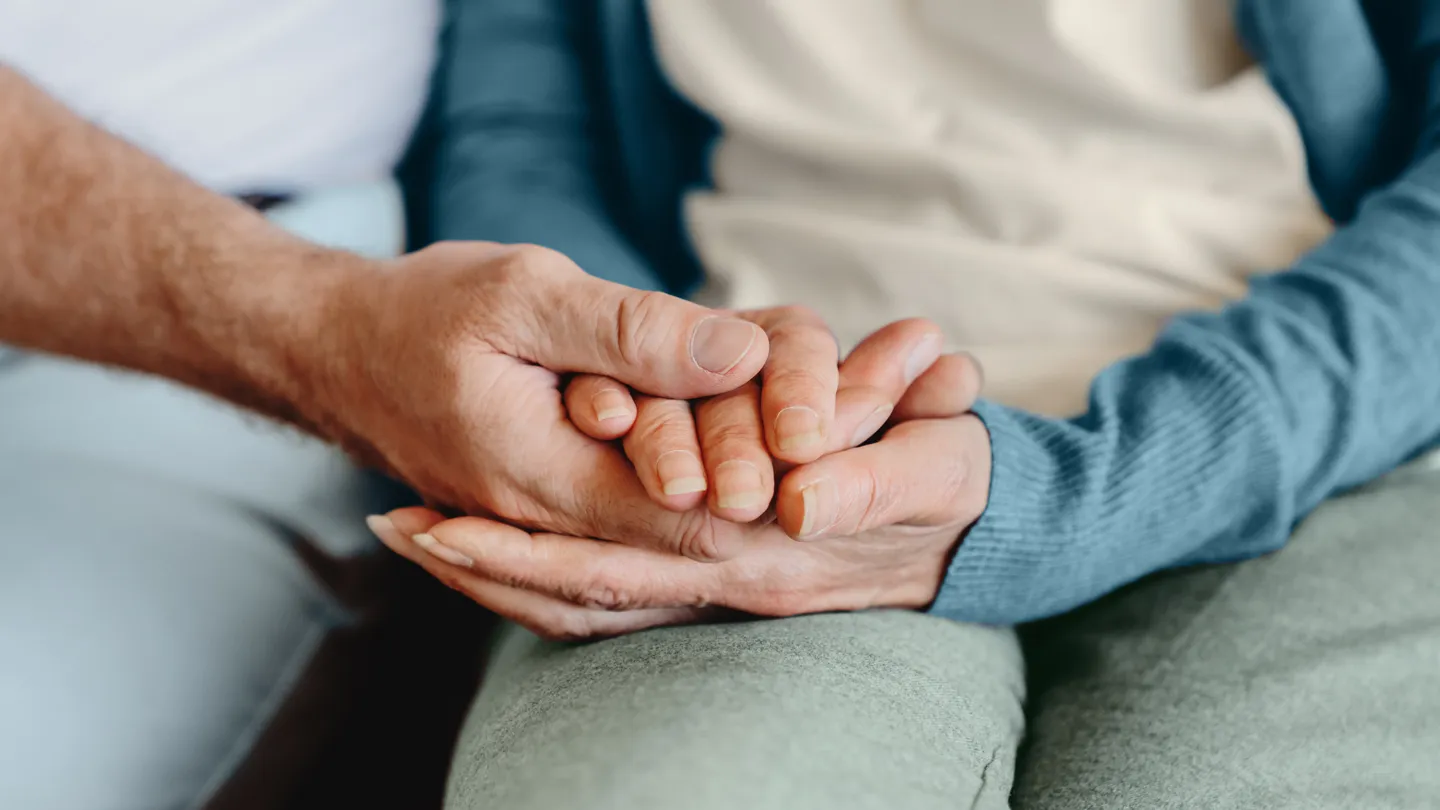
Going through this alone is a lot to ask of yourself. Treating and fighting cancer is a team effort, says Dr. Gosain, and a support system can help you feel more connected and cared for.
- An oncology nurse navigator to help coordinate care
- A social worker to help connect you with financial, transportation, and community resources
- A psychologist or therapist to help you process emotions and develop coping strategies
- Friends and family to help with daily needs and emotional support
Your oncology team can help you access many of these resources, so call them and ask.
“Support does not need to come from one person alone,” says Raedeker. One friend may be the person you vent to, while another helps distract you for a while. Some people may help with rides, meals, childcare, or keeping you company during treatment. Your support system can also change as your needs change, she adds.
Accept help when it’s offered and ask for it, too, Dorr says, and be specific about what you need. Connecting with others through support groups became a valuable source of comfort and information for her.
Widro also found leaning into support groups helpful. She belongs to several online communities, including ones specific to her treatment, where people share experiences, side effects, and coping tips.
You can find peer support groups through organizations like OCRA and NOCC.
