

Colorectal cancer is the second leading cause of cancer death in the United States.
However, experts say many of those deaths could be prevented.
Colorectal cancer is one of the cancers for which effective screening exists. For one thing, colorectal cancer nearly always develops from precancerous polyps in the colon or rectum, and doctors can identify them with screening tests and remove them before they turn into cancer.
Additionally, colorectal screening helps doctors spot cancer early, when treatments are most successful. When colorectal cancer is caught early, the five-year survival rate is around 90 percent.
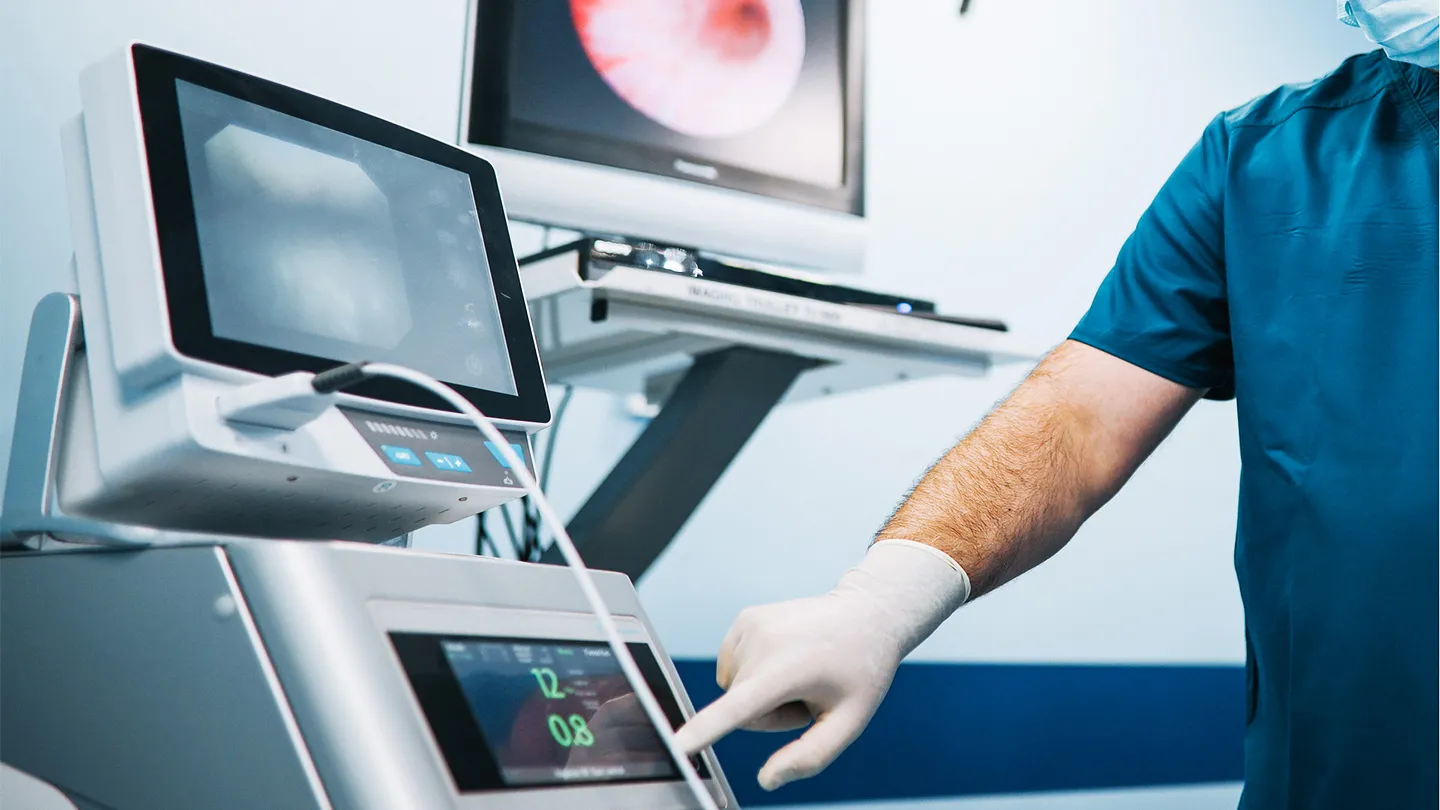
Colonoscopy, in which a camera is threaded through the colon, has always been considered the gold standard screening tool for colorectal cancer, because doctors can literally see inside the colon to look for abnormalities.
But, for a variety of reasons, not everyone is willing or able to undergo this procedure. Sometimes, the colonoscopy prep, which requires a liquid diet prior to the test, as well as medication to clear out the colon, intimidates people, or takes too much time. Sometimes, people are afraid of the test itself and are not willing to undergo it.
The U.S. Preventive Services Task Force (USPSTF), which offers colorectal screening guidelines, recommends that all adults between ages 45 and 75 be screened for colorectal cancer. Decisions for screening adults ages 76 and older should be made on an individual basis, according to the USPSTF.
While colonoscopy is truly considered the gold standard, it’s important to know that if you’re not able or willing to undergo a colonoscopy, there are other options for colorectal cancer screening.
