

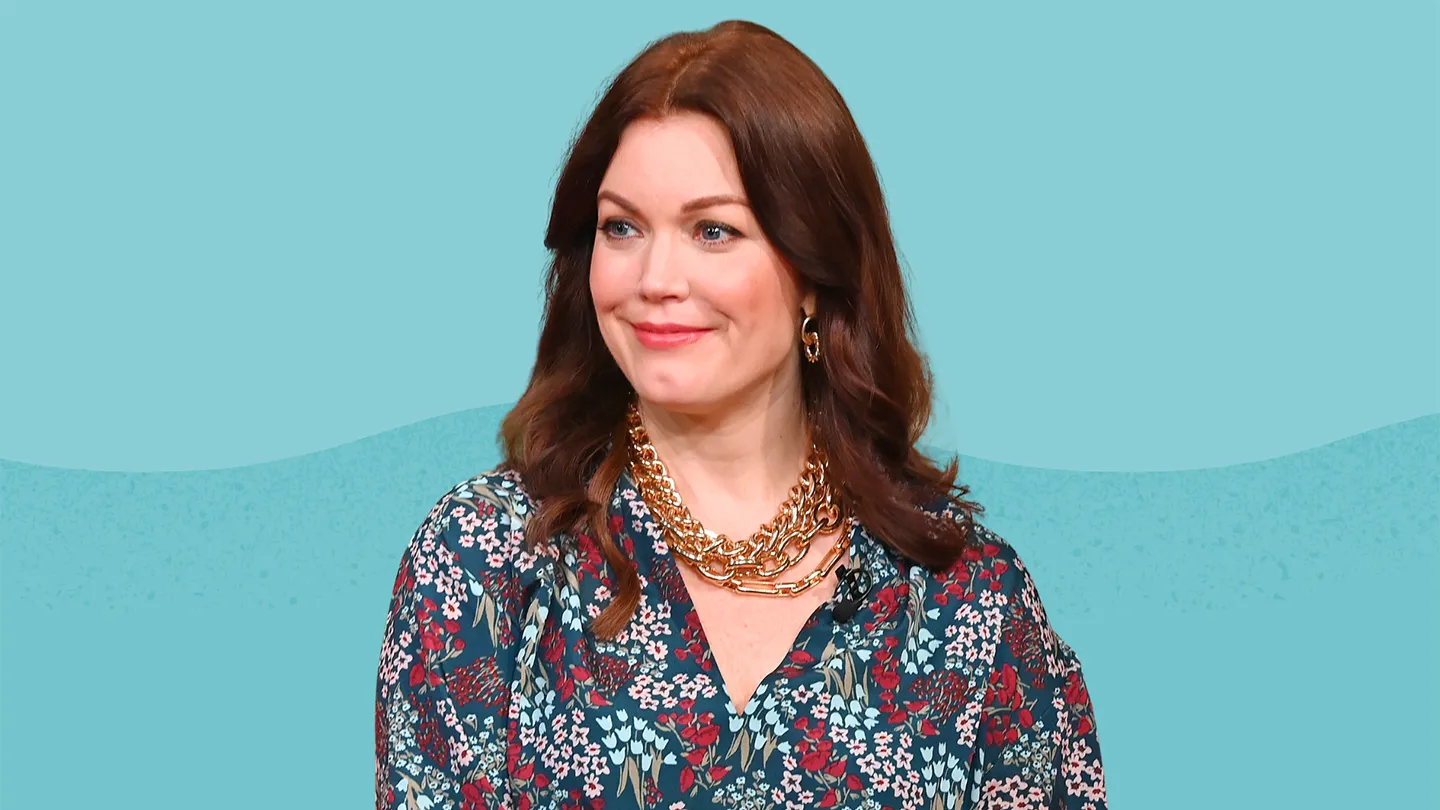
Young regrets not recognizing her dad’s HE sooner, and feels guilty for how she behaved when he was sick.
As a teen, she blamed her dad for his condition. “Looking back now, I can separate the man from the disease, but at the time I was really young, and you’re at your jerkiest when you’re a teenager,” she says.
She was a reluctant caregiver, she says, who was angry that she couldn’t do “normal” teen things. “I wanted to go on a date and have friends over, that sort of thing, but my dad was in a hospital bed in our living room,” she recalls.
She understands now, from discussing this experience in therapy, that her behavior was a reaction to the fear of losing her dad.
She also notes that the stigma her family felt around her dad’s liver disease played a role in how they handled his diagnosis and care.
“We had a lot of shame around my dad’s illness because it came from his drinking,” she says. That shame caused them to isolate themselves rather than reach out for support, which may have helped them identify the HE earlier and alleviated some of the burden of caregiving.
Young’s father passed away in 1985 due to complications from HE.
Now, as a caregiver advocate, Young works to raise awareness of HE and let others know they’re not alone. As part of that mission, she’s partnered with Salix Pharmaceuticals, which manufactures the HE drug rifaximin (Xifaxan) to have honest, open conversations with patients and caregivers about living with HE.
“We’re trying to expand everyone’s knowledge,” she says. “It’s enough to go through the disease. There’s no point in adding hardship to it by feeling ashamed or by feeling alone.”
