Browsing: Health
A purple powerhouse emerges from culinary obscurity
For centuries, eggplant languished in culinary purgatory. Fourteenth-century Spanish cookbooks dismissed it as the “disdainful apple,” fit only for peasants. England prohibited it entirely. Medieval Europeans believed it caused leprosy and epilepsy.
Today, however, this once-maligned fruit—technically a berry, though treated as a vegetable—has emerged as one of the most nutritionally dense foods available. With over 1,000 varieties cultivated worldwide and peak season running July through October, eggplant offers a surprising array of health benefits that scientists are only beginning to understand.
Research published in Food Chemistry in 2018 identified eggplant as having higher phenolic content than many common vegetables. These natural compounds act as antioxidants, scavenging free radicals that can damage cells and DNA. The vegetable’s deep purple skin contains nasunin, an anthocyanin pigment that demonstrated stronger antioxidant activity than 15 other common vegetables in laboratory testing.
Cellular protection: How eggplant’s antioxidants work
The antioxidant story extends beyond simple free-radical scavenging. Laboratory experiments in rodents show that nasunin binds to iron molecules, preventing the formation of free radicals before they occur. This mechanism appears particularly protective for brain cells.
Eggplant extracts have also demonstrated the ability to reduce experimentally induced DNA damage and mutagenicity in laboratory models. The chlorogenic acid found in the flesh, which accounts for 70 to 90 percent of the eggplant’s total phenolic content, works alongside nasunin to lower markers of free radical damage throughout the body.
A 2025 study published in Molecules added another dimension: eggplant extracts neutralize a toxic byproduct of fat oxidation that causes age-related skin damage while shielding human skin cells from daily oxidative stress.
Blood pressure and neurological benefits through acetylcholine
Eggplant contains up to 2,900 times more acetylcholine than other common vegetables, making it the richest known plant source of this neurotransmitter. A 2019 study found that concentrated eggplant preparations reduced blood pressure in people with normal-to-high readings or mild hypertension. Participants also reported lower levels of tension, anger and confusion.
The mechanism appears tied to the gut-brain connection. A 2021 study in rats showed that orally ingested acetylcholine doesn’t need to enter the bloodstream to affect blood pressure. Instead, it binds to receptors in the gut, triggering the Vagus nerve to send calming signals to the central nervous system. This activates the parasympathetic “rest and digest” state while quieting the “fight or flight” response that often elevates blood pressure.
A 2023 study in the Journal of Food Composition and Analysis examined 100 eggplant varieties and found that round, green Asian eggplants contained the highest acetylcholine concentrations—up to seven times higher than other varieties. Standard purple eggplants still averaged significant amounts.
Blood sugar control and cancer-fighting potential
Eggplant’s fiber content of 2.5 grams per cup slows digestion and sugar absorption, helping prevent blood sugar spikes. A 2021 review in the Iranian Journal of Basic Medical Sciences highlighted that extracts from eggplant skin and pulp inhibit key digestive enzymes, potentially blunting post-meal glucose surges.
The cancer research, while preliminary, shows promise. Test-tube studies have demonstrated that solasodine rhamnosyl glycosides—compounds found in nightshade plants like eggplant—can cause cancer cell death. These compounds showed particular effectiveness against skin cancer when applied directly. The National Cancer Institute notes that diets rich in plant foods correlate with lower risks of mouth, pharynx, larynx, esophagus, stomach and lung cancers.
Preparation matters: Maximizing nutritional benefits
How eggplant is prepared significantly affects its nutritional value. The skin contains the vast majority of anthocyanins and nasunin, making peeling counterproductive. Adding acidic ingredients like lemon juice, tomatoes, or vinegar helps protect anthocyanin structures during cooking. Brief salting draws out excess water without significantly diminishing nutritional properties, according to medical experts.
Storage affects quality as well. Eggplants are sensitive to ethylene gas produced by apples, bananas and tomatoes, which accelerates rotting. Whole fruits stay fresh at room temperature for three to five days; cut eggplant should be refrigerated and used within two days.
The vegetable’s sponge-like structure means it absorbs oil more readily than almost any other food, making deep frying counterproductive. Grilling, roasting, baking, or sautéing with minimal oil preserves both nutritional value and flavor.
From its dark history as a feared “evil fruit” to its current status as a research-backed nutritional powerhouse, eggplant has completed a remarkable transformation. The compounds once suspected of causing disease now show potential for preventing it. As scientists continue investigating this purple produce, the evidence increasingly suggests that adding eggplant to one’s diet—skin on, minimally processed—represents a simple, accessible strategy for supporting long-term health.
Sources for this article include:
alternative medicine anticancer antioxidants brain function brain health diabetes cure food cures food is medicine food science goodhealth grocery cures health science heart health natural cures natural health natural medicine Naturopathy nutrients organics superfoods Veggies Whole Foods
Please contact us for more information.
Who We Are
Meet the Health Ranger
Free Email Newsletter
Support
Write for Us
Media Information
Advertising Information
Submit a News Tip
Privacy Policy
Terms of Use
Home
All News
Health Ranger Store
Health Ranger Report Podcast
Natural News App
BrightAnswers.ai
Blog Articles
RSS Feed
This site is part of the Natural News Network © 2022 All Rights Reserved. Privacy | Terms All content posted on this site is commentary or opinion and is protected under Free Speech. Truth Publishing International, LTD. is not responsible for content written by contributing authors. The information on this site is provided for educational and entertainment purposes only. It is not intended as a substitute for professional advice of any kind. Truth Publishing assumes no responsibility for the use or misuse of this material. Your use of this website indicates your agreement to these terms and those published here. All trademarks, registered trademarks and servicemarks mentioned on this site are the property of their respective owners.
Practical Lessons, Profound Insights
Reading Time: 3 minutes
Brighteon University is streaming one chapter daily of “UNBREAKABLE: Secrets to Genetic Survival in the Age of Spike Shedding and Nuclear Fallout” from Aug. 29 to Sept. 10. It will broadcast a replay of Episodes 1-4 on Sept. 11, Episodes 5-8 on Sept. 12 and Episodes 9-13 on Sept. 13. Catch the complete course marathon on Sept. 14.
Register here to explore DNA integrity and repair mechanisms, examine Mike Adams’ perspectives on spike protein, nuclear fallout and environmental stressors alongside established science, and learn more on his proposed nutrition, lifestyle and preparedness strategies for supporting cellular resilience.
The invisible war on DNA: How everyday exposures could overwhelm the cell’s repair crew
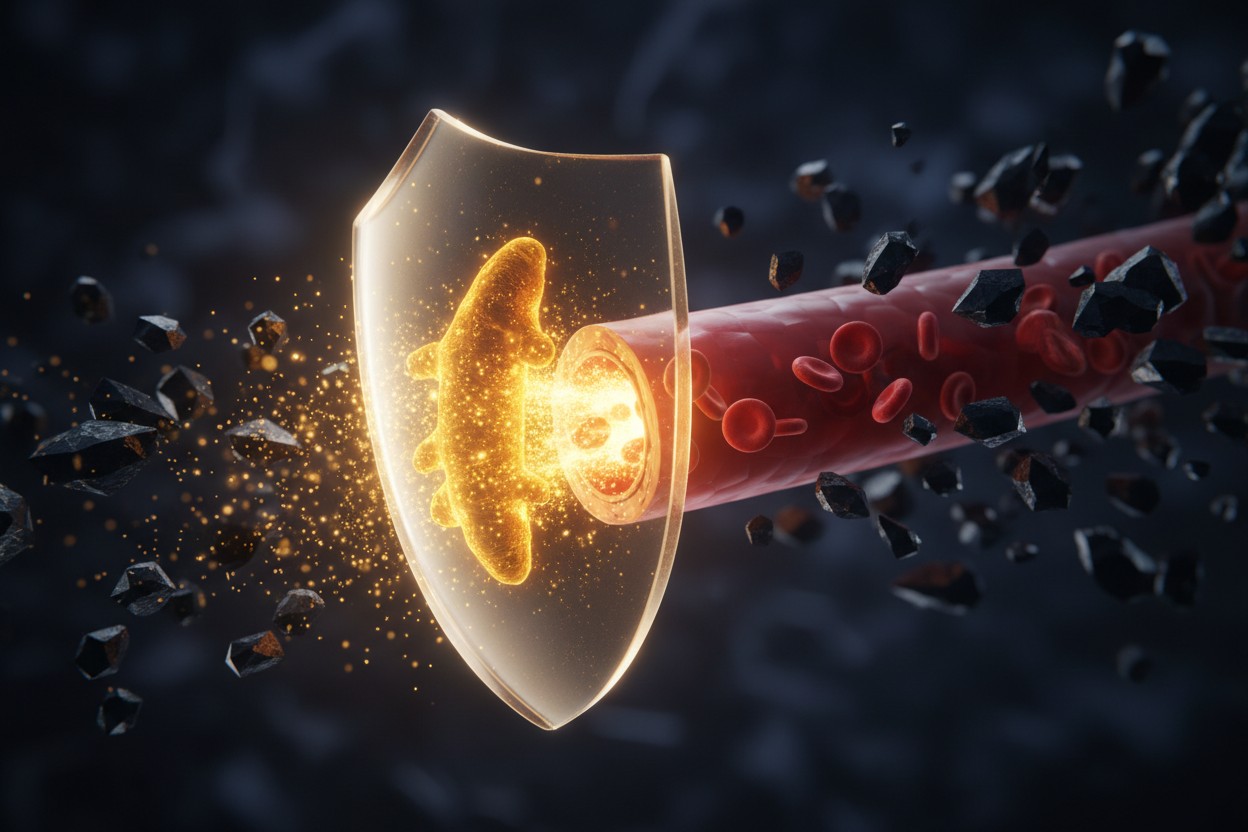
Every cell in the body is engaged in a relentless battle to protect its genetic blueprint. Radiation, chemicals, electromagnetic fields, food and environmental contaminants can all contribute to DNA damage, while normal metabolism itself generates oxidative stress. In Chapter 5 of “UNBREAKABLE,” to air on Sept. 2, Mike Adams examines what happens when this constant stream of damage collides with the cell’s ability to repair itself.
Adams says each cell can sustain approximately 10,000 to 100,000 DNA lesions per day, yet under normal conditions, repair mechanisms continually correct the damage and preserve genomic stability. “The damage occurs, the repair follows and the genome remains intact,” he explains.
But the episode focuses on what happens when that balance breaks down. Adams compares the situation to “the broken fire extinguisher” from the previous chapter, while Chapter 5 examines “the fire,” the many sources of DNA damage confronting cells.
The result is a provocative look at the cellular repair system and the consequences when damage begins arriving faster than it can be fixed. How resilient is DNA when its repair machinery is pushed beyond its limits?
Hidden chemicals in scented products systematically destroy your DNA
What if the scent of “fresh laundry” conceals a chemical cocktail your body was never told about?
Chapter 6, to be streamed on Sept. 3, pulls back the curtain on fragrance formulas, where manufacturers can shield ingredients as trade secrets. It explores claims that a single scented product may contain hundreds of volatile compounds, many petroleum-derived, while the precise mixture remains hidden from consumers.
The deeper story is molecular. The episode examines phthalates and oxidative stress, synthetic musks such as galaxolide and tonalide and preservatives capable of interacting with biological molecules. Research has detected synthetic musks in human breast milk and adipose tissue, while laboratory studies have reported oxidative and genetic damage in aquatic organisms.
Then comes the laundry room. Optical brighteners are designed to cling to fabric and create the appearance of greater whiteness; some can remain associated with textiles and may cause photoallergic or phototoxic reactions under sunlight.
But does that make “free and clear” or organic products dangerous, too? The episode puts those claims under scrutiny, separating documented chemical exposure from allegations that go beyond the evidence.
Want to know more?
Discover the concepts explored in Mike Adams’ “UNBREAKABLE” course, which examines DNA integrity, cellular repair pathways, radiation exposure and the relationship between nutrition and genetic resilience, streaming on BrightU. Across 12 chapters, the course takes viewers through the fundamentals of DNA damage and repair, including NHEJ, homologous recombination, double-strand breaks and cellular mechanisms involving BRCA1, 53BP1 and CHK1. It also explores Adams’ perspectives on spike protein, nuclear fallout, environmental stressors and the nutritional strategies he believes may support DNA repair.
Whether you’re new to the subject or looking to explore the science presented in the course in greater depth, you can purchase the “UNBREAKABLE” course package here to learn more about its framework for genetic preparedness and cellular resilience. Upon purchase, you’ll gain access to the full 13-chapter course and accompanying educational materials covering DNA repair, nutrition, environmental exposure and Adams’ proposed strategies for supporting the body’s natural repair mechanisms.
Sources include:
BrightU chemicals contaminants Dangerous DNA exposure harmful household products metabolic health Mike Adams Organic personal care radiation toxic ingredients toxins UNBREAKABLE volatile compounds
Please contact us for more information.