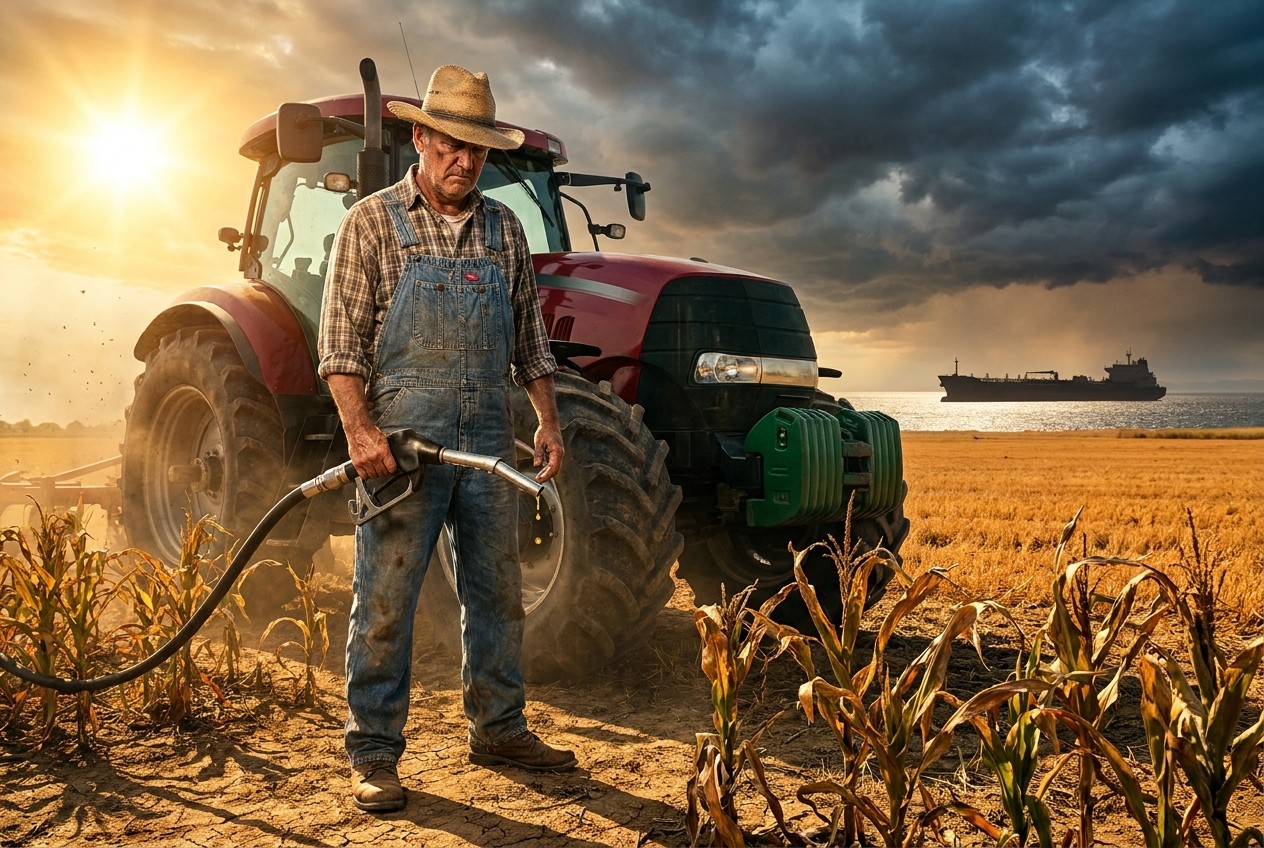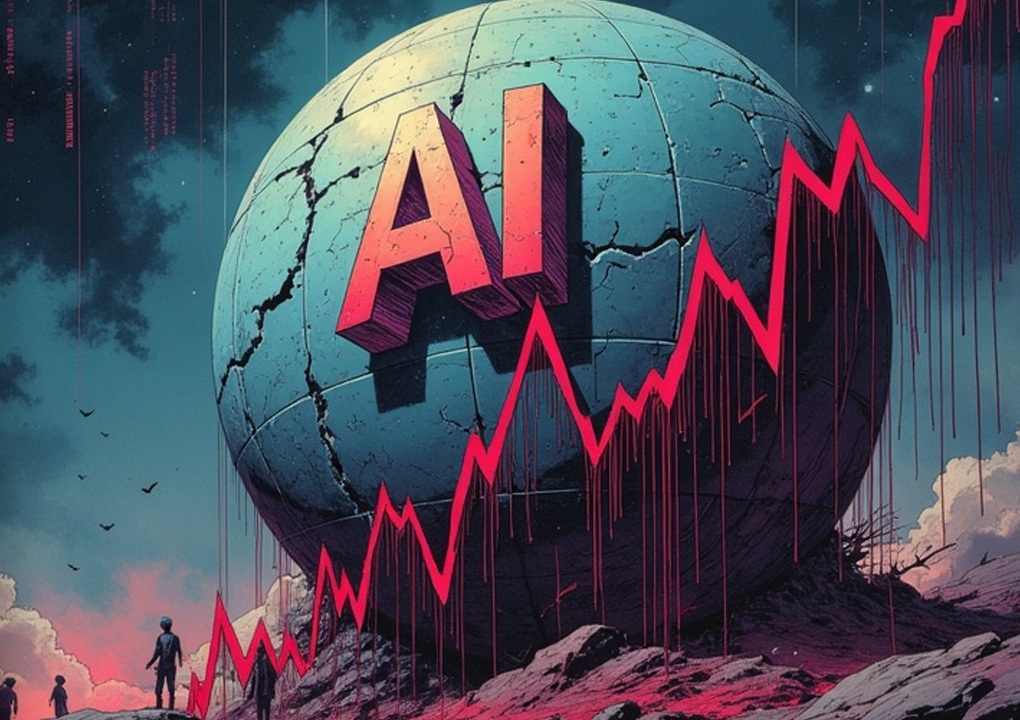
How are you handling the daily drumbeat of doom? The AI doomerism, the diesel shortages, the trucker strikes, the empty-shelf panic that flickers across your news feed every few weeks?
I believe most people are drowning in it. They oscillate between paralyzing fear and willful denial, and neither state does them any good. But you are different. If you have been listening — not to the corporate media, not to the government press conferences, but to the independent voices who warned you about the COVID injections, the engineered energy crisis, and the coming food riots — then you are already far better prepared than the average American.
My position is plain: you will survive the coming chaos. Not because you have a perfect bunker or a year’s supply of freeze-dried lasagna, but because survival was never about flawless stockpiles. It is about mindset, decisive action, and community. I have written many articles about the engineered collapse of energy infrastructure and the deliberate starvation of billions, and I have watched my audience respond not with panic but with preparation. That is why I am confident about your odds.
None of Us Is Fully Prepared — And That’s Not the Point
Let me be honest with you: I am not fully prepared either. I spend more hours working, recording interviews, and podcasting than I do prepping. I recently spent far too many hours learning to crimp wires for the off-grid solar system I am building, sweating over connectors and watching tutorial videos until my eyes crossed [1]. That experience reminded me that the gap between where I am and where I want to be is real. But here is the truth I want you to internalize: perfect preparedness is impossible. You cannot replicate Home Depot in your garage, and you cannot replicate a grocery store in your kitchen. No one can.
The sooner you accept that, the faster you can focus on what actually matters. Collapse is usually gradual, not a single all-at-once event. As I have said before, we are witnessing deliberate tremors, not a sudden earthquake [2]. There can be sharp lurches and spikes — a trucker strike here, a diesel shortage there — but the overall slide is slow enough that adaptability beats perfection every time.
That is why flexibility is your greatest asset. You may plan for scenario A, but you will get B, C, or D. The person who has a water filter and the knowledge to use it will outperform the person who bought a pallet of bottled water and never learned how to find a spring. The person who has seeds and basic gardening skills will eat when the person with a garage full of MREs runs out. Knowledge, as I have said many times, is more critical than equipment.
The Collapse Will Be Gradual, Local, and Personal
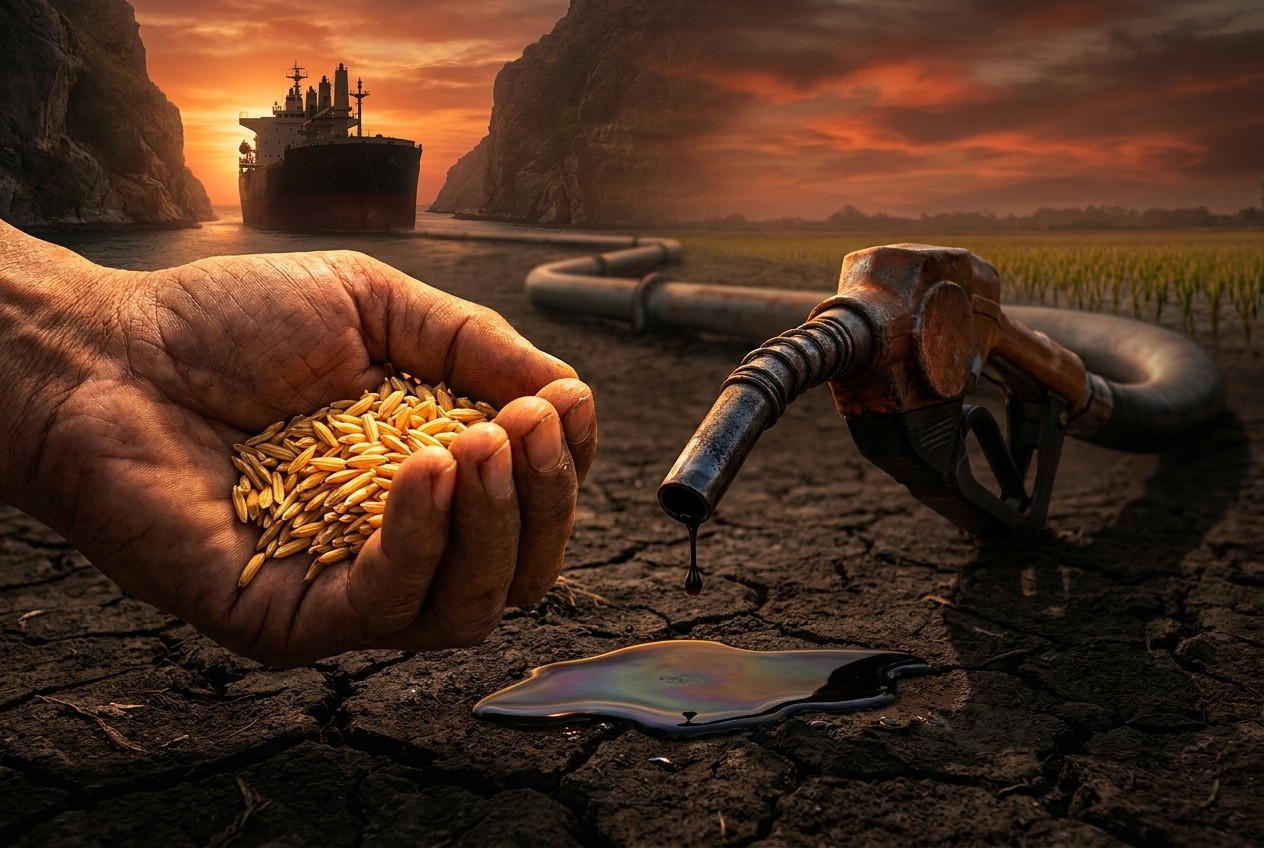
The real trend is not a Hollywood-style single event. It is the erosion of the rule of law, supply chains, and institutional functioning over many months and years. I have documented how the sabotage of global energy infrastructure is intended to starve billions, and how the Strait of Hormuz crisis is being leveraged to accelerate mass starvation, especially in vulnerable nations [2]. The systems that keep grocery stores stocked and pharmacies supplied are far more fragile than most people realize.
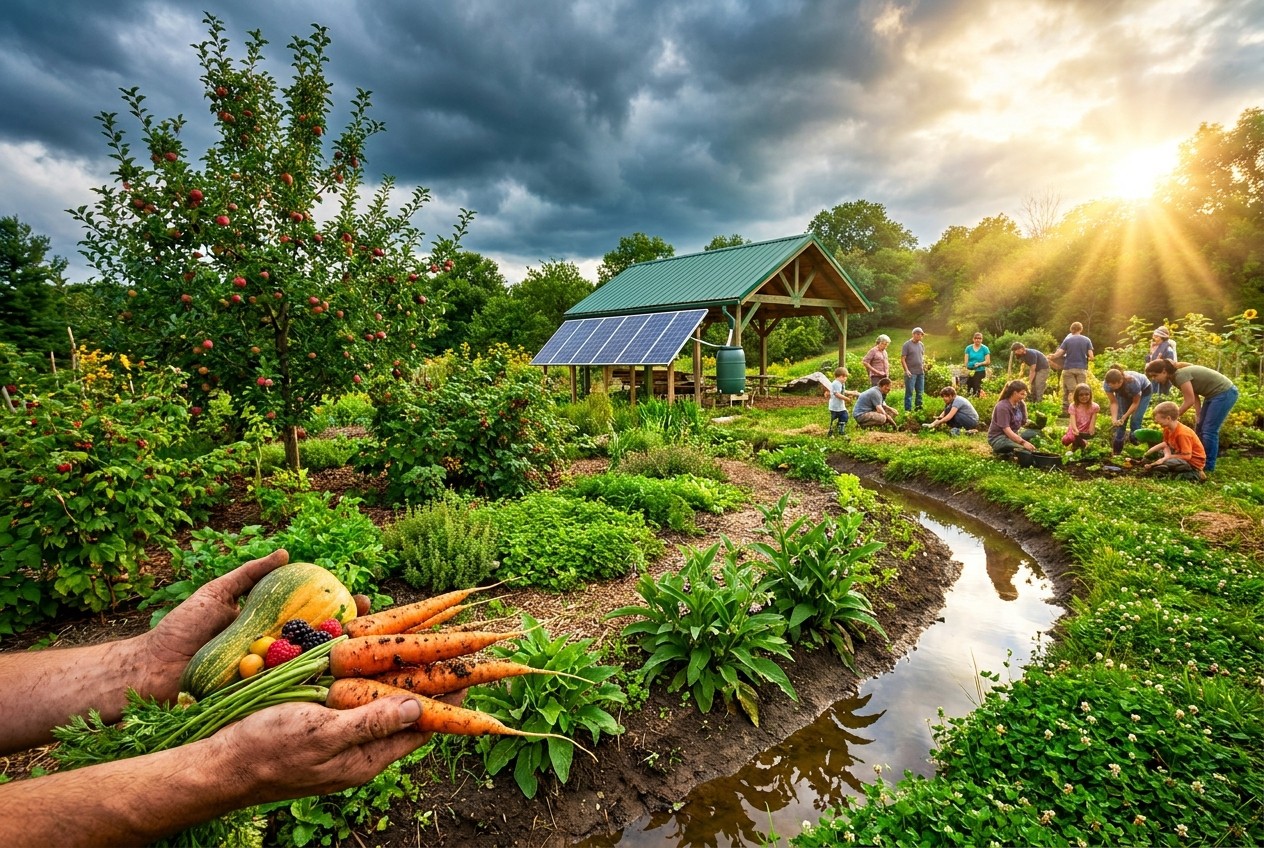
What replaces those systems? Barter networks, local community, and knowing a guy with diesel or spare parts. The person who can fix a tractor, purify water, or grow food becomes more valuable than the person with a cryptocurrency wallet. This is why I urge you to decentralize your dependence on central systems: water, food, medicine, money, and power. Backup water storage, a well, or rainwater catchment are no longer eccentric hobbies. Food storage, gold and silver, and practical trade goods like ammunition and even GPU compute power are the currencies of a decentralized future. Sweden, for its part, is stockpiling emergency grain for the first time since the Cold War, citing the risk of supply chain disruption from war or conflict [3]. If a government is doing that, you should consider doing the same.
The geography of survival matters too. Cities will see the worst violence and uncertainty. Suburbs will be caught in between, with desperate people spilling out of urban cores. Rural areas, where people already have armed self-reliance, will fare better — but only if they have built community and prepared for the gradual breakdown. As one activist analysis put it, the hinterlands will not merely empty; they will detonate, and distance alone will not save you [4]. The answer is not isolation. The answer is local networks, shared skills, and the kind of resilience that comes from knowing your neighbors and having something to trade.
Your Mindset Matters More Than Your Stockpile
The unprepared go from ignorance to panic in an instant. They mock you for storing food, for buying silver, for learning herbal medicine — until the shelves are empty and the banks are closed. Then they demand to know why you did not warn them. You have already been awake and thinking ahead, which means you are not starting from zero when the crisis becomes obvious. You have taken action. You have bought the seeds, stacked the silver, learned the skills. That puts you in a fundamentally different position.
Even a massive die-off scenario — as some analysts have predicted, with figures as low as 0.8 percent of humanity surviving a global collapse [5] — would still leave a surviving subset. Your mindset and preparation put you in that subset. I have said before that emotional preparedness is paramount, and that the best way to achieve it is to allow yourself time to sit with these changes before they arrive [6]. Early warning buys you the time to ask: All of this is coming. What do I need to do?
That is the question that separates survivors from victims.
The Hardest Part Will Be Other People
The hordes of starving, unprepared people will be a greater danger than running out of food. This is not a pleasant thing to say, but it is true. Many who dismissed you as a crazy prepper will later come asking for food, water, and help for their kids. They will not be evil people. They will be desperate people. And desperation makes people do things they never imagined.
The social dynamics of collapse are brutal but predictable. Be compassionate, but hold your ground. Help those you can and say no to those you cannot, even when it is emotionally difficult. The Survival Medicine Handbook warns that even modern medical facilities may be useless if they are understaffed, under-supplied, and overcrowded, and that most people are unwittingly unprepared for a world where help is not on the way [7]. You cannot save everyone, and trying to do so will get you killed.
That is why community — real community, built before the crisis — is so important. The Ultimate Survival Medicine Guide emphasizes that a society can only be rebuilt by a community, and that there is no time like the present to network with like-minded people [8]. Build your group now. Know who you can trust. Know who has skills you lack. And prepare yourself emotionally for the hard decisions that will come.
Conclusion: You Will Survive — Now Keep Going
If you have prepared at all — if you have stored some food, learned a skill, bought a few ounces of silver — you have already made significant progress. You are well equipped for what is coming. Survival is about mindset, action, and preparedness, not flawless stockpiles. The people who survive are not the ones with the most stuff. They are the ones who kept their heads, adapted to changing circumstances, and helped their communities.
I will keep working to keep you informed through my podcasts, videos, and articles. I have a new preparedness course coming in mid-November, and I will continue to share everything I learn about self-reliance, decentralization, and navigating the chaos ahead. My platforms at NaturalNews.com, BrightLearn.ai, BrightVideos.com, BrightAnswers.ai, Brighteon.social, and BrightNews.ai remain free and uncensored resources for anyone who wants to learn.
So stop doubting yourself. You will be okay. Keep building resilience. Keep learning. Keep preparing. The chaos is coming, but you are ready for it — and you will survive.
References
- Hold Tight to a Real-World Anchor to Survive the Imminent Global Chaos. https://www.naturalnews.com/2026-06-16-hold-tight-to-a-real-world-anchor.html
- The Sabotage of Global Energy Infrastructure is Intended to Starve Billions of Humans to Death – NaturalNews.com, April 21, 2026. by NaturalNews.com
- Sweden revives Cold War food stockpiling amid rising conflict fears – NaturalNews.com, October 16, 2025. by NaturalNews.com
- The Kill Zone: Why Your Bunker’s Distance From the City Might Get You Killed. 2026-10-04T22:00:00.000Z. https://activistpost.com/the-kill-zone-why-your-bunkers-distance-from-the-city-might-get-you-killed/
- Dr Leonard Coldwell on Decentralize TV Only 08 of humanity will survive the coming GLOBAL COLLAPSE – NaturalNews.com, January 20, 2025. by NaturalNews.com
- Decentralize TV – Episode 116 Chris Martenson on energy crisis – Mike Adams – Decentralize.TV, June 12, 2026. by Mike Adams – Decentralize.TV
- The Survival Medicine Handbook A guide for when help is NOT on the way. by Alton Joseph Alton Amy
- Ultimate Survival Medicine Guide, The. by Joseph Alton [Alton, Joseph]
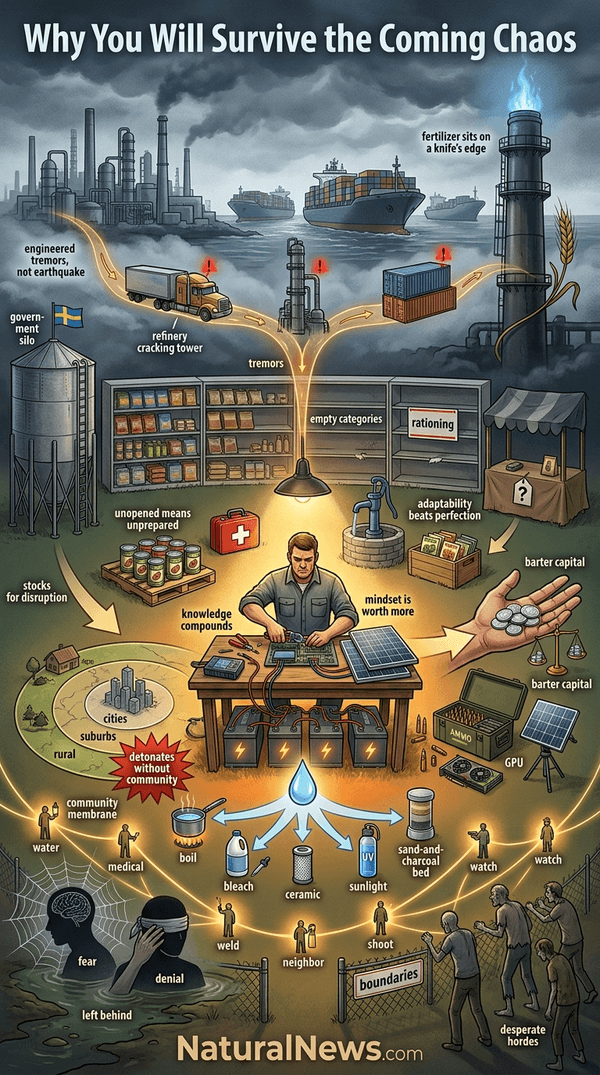
Explainer Infographic
chaos Collapse decentralize disaster food independence food stockpiling freedom homesteading Liberty living free Mind off grid panic preparedness prepper prepping SHTF survival survivalist tips
Mike Adams (aka the "Health Ranger") is the founding editor of NaturalNews.com, a best selling author (#1 best selling science book on Amazon.com called "Food Forensics"), an environmental scientist, a patent holder for a cesium radioactive isotope elimination invention, a multiple award winner for outstanding journalism, a science news publisher and influential commentator on topics ranging from science and medicine to culture and politics.
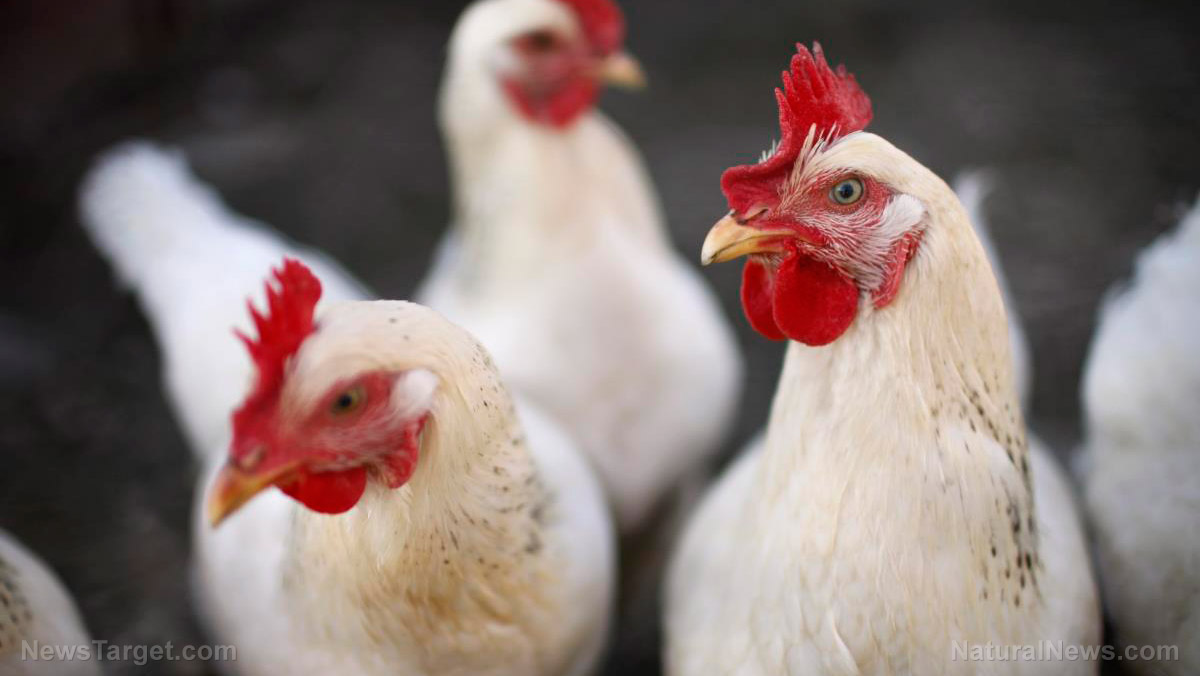
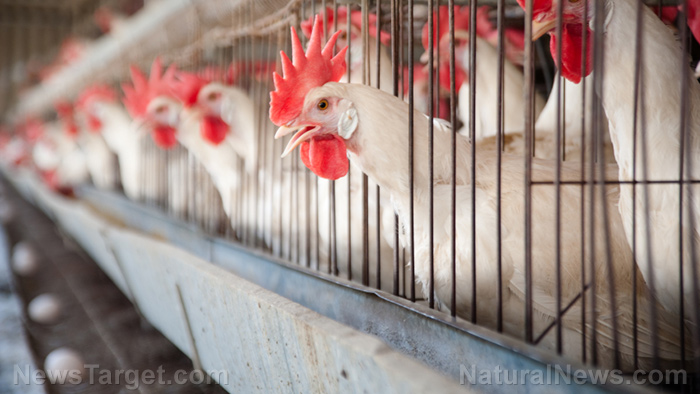
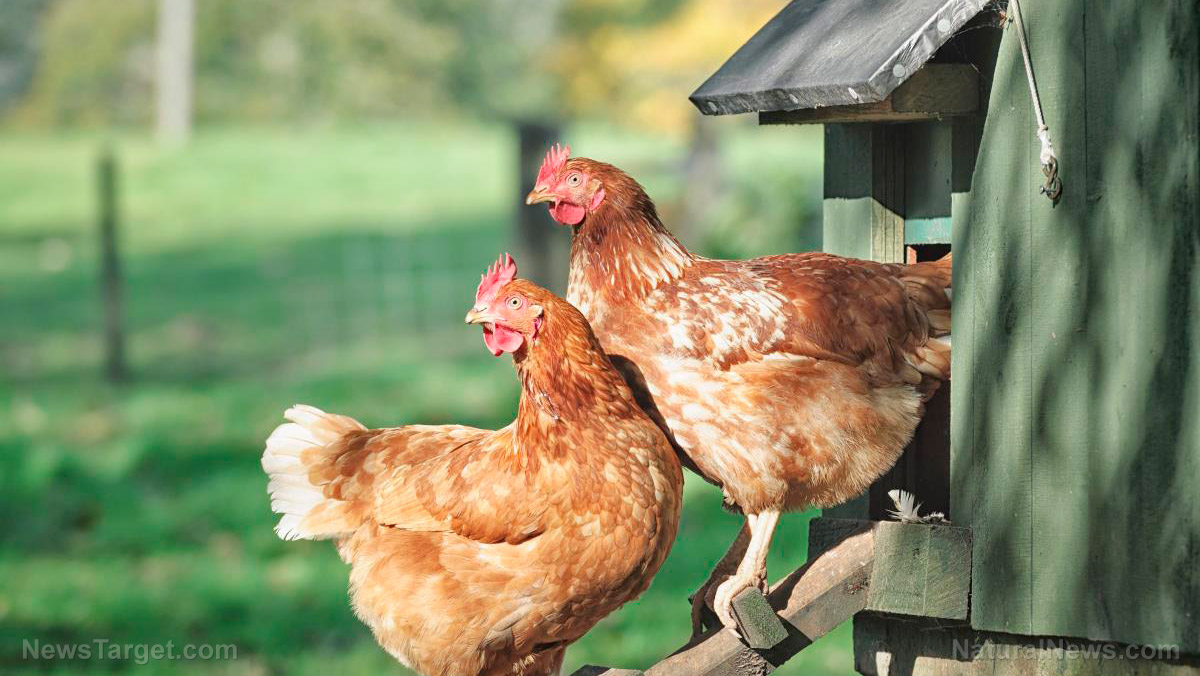
When Episode 6 of “Foundations in Farming and Homesteading + Pastured Laying Hens” aired on Oct. 1, Joel Salatin offered a strikingly different way of thinking about poultry health – one that placed habitat, natural behavior and ecological relationships ahead of intensive intervention. Rather than presenting disease prevention as a matter of medications, elaborate biosecurity routines or constant treatment, Salatin described a system designed to make the farm environment itself do much of the work.
His philosophy began with an admission that immediately set the tone: “Every single disease we’ve ever had is one we created.” In his view, overcrowding, poor sanitation, excessive cold or wet conditions and other environmental stresses could undermine a chicken’s ability to remain healthy. The goal, therefore, was not simply to respond to disease, but to create conditions in which the birds’ own immune systems could function effectively.
Thinking like a chicken
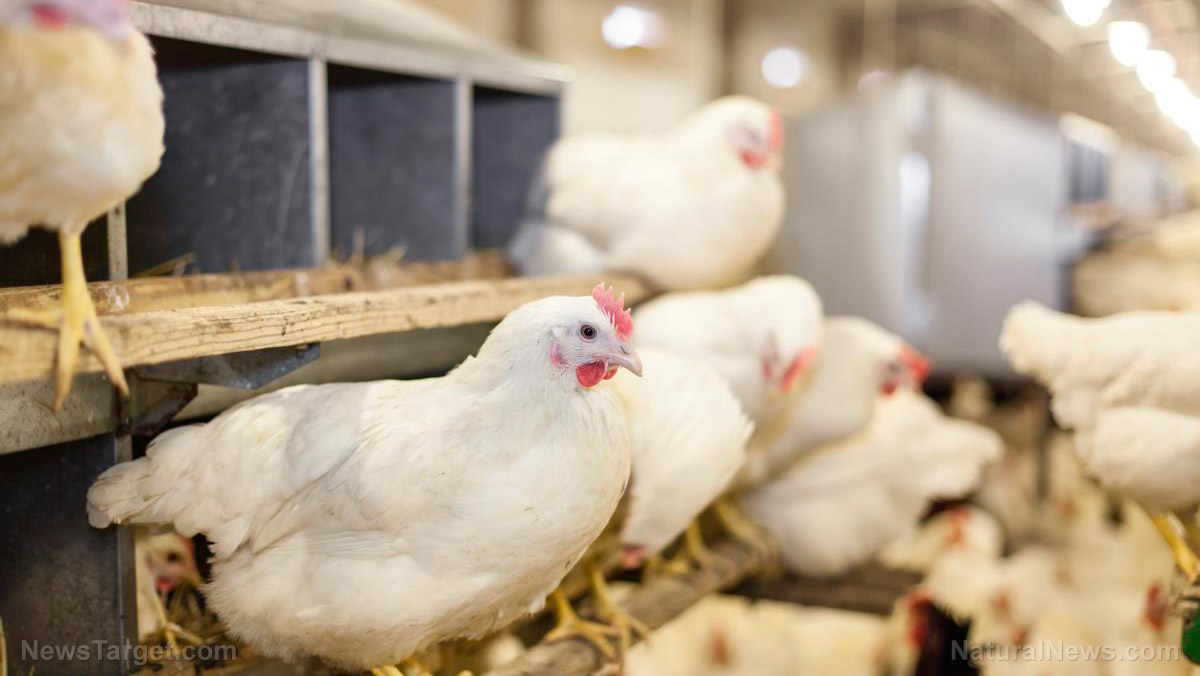
That philosophy extended into some of the episode’s most unexpected practices. Seasonal housing was one of the central strategies. By moving chickens between summer and winter shelters, the farm naturally vacated its premises for extended periods, creating what Salatin described as “host-free periods” while allowing the empty structures to be cleaned and aired out.
Nest boxes received particular attention because mites and other pests could establish themselves in bedding. Salatin also described a remarkably simple dust-bath mixture: one part soil, one part sand and one part wood ashes. The chickens could then use the mixture naturally, with the ash helping combat mites without relying on chemical treatments.
Clean water was another essential part of the system. Because chickens constantly scratch through bedding and manure, water containers needed to be protected from contamination. In winter, however, Salatin introduced an even more unconventional element: animal protein. With insects largely absent, roadkill, carcasses and other meat could provide chickens with a natural food source while also giving them something to occupy themselves with.
The practice had another purpose. Salatin explained that chickens could become aggressive toward one another when nutritional needs were not being met. Providing meat gave them something to work on and eat, potentially reducing the tendency to peck at flockmates.
Perhaps the most startling example came from the farm’s relationship between chickens and rabbits. In the “Raken house,” rabbits occupied the upper level while chickens worked below them. As the rabbits produced manure and urine, the chickens scratched through the bedding, incorporating carbon and helping the material compost. The process reduced ammonia buildup while producing what Salatin considered some of the farm’s best compost.
An ecosystem instead of a treatment plan
The episode ultimately presented poultry health as a web of interconnected relationships. Chickens were not simply egg producers requiring constant management; they could clean, compost, recycle nutrients, control pests and process waste while simultaneously benefiting from the system around them.
Salatin’s approach challenged the conventional separation between animal production, sanitation and waste management. Instead, Episode 6 portrayed the farm as an ecosystem in which one animal’s waste could become another animal’s resource – and where thoughtful habitat design could potentially prevent problems before they became diseases.
Want to know more?
Discover practical strategies for building a productive, resilient homestead and raising pastured laying hens in “Foundations in Farming and Homesteading + Pastured Laying Hens,” streaming on BrightU. Led by award-winning farmer Joel Salatin, this nine-episode series takes you step by step through the foundations of self-reliant homesteading, from designing your land and building efficient infrastructure to establishing a productive pastured egg operation. You’ll explore practical approaches to housing, fencing, water systems, mobile infrastructure, flock health, pasture management, seasonal production and profitability.
Whether you’re new to farming and homesteading or looking to expand your skills, you can purchase the “Foundations in Farming and Homesteading + Pastured Laying Hens” combo package here to get lifetime access to Salatin’s practical guidance. The package includes 32 video sessions, more than nine hours of instruction, homework PDFs and complete video transcripts to help you learn, review and apply the lessons anytime.
Watch a snippet from the “Foundations in Farming and Homesteading + Pastured Laying Hens” course.
This video is from the BrightU Series Snippets channel on Brighteon.com.
Sources include:
#nutrition chicken farming chicken health Composting ecological farming Ecology homesteading Joel Salatin pastured poultry poultry farming poultry health Raken house regenerative agriculture sanitation seasonal housing sustainable agriculture sustainable farming





Please contact us for more information.