Episode 14 of the Aleph-Tav Body training presented unconventional hand-placement techniques that were purportedly applicable to emergencies including seizures, burns, asthma attacks, drowning, poisoning, infections, broken bones, appendicitis, strokes and heart problems.
Self-reliance was a central theme, with Dr. Alphonzo Monzo describing techniques that could reportedly be performed without specialized equipment, including applications for seizures and burns. The burn technique was claimed to halt the burn’s progression, reduce pain and cool the body.
The training also featured an “extraction” technique that was purportedly capable of removing foreign materials such as splinters, toxins, cysts, infections, venoms and metal objects. Monzo acknowledged that some applications could take considerable time, recalling a splinter that took about 45 minutes to emerge.
A particularly striking account involved a child with an allegedly ruptured appendix. According to Monzo, the child’s mother applied the technique overnight while awaiting medical care, and the doctor reportedly found no infection requiring cleanup during surgery. The episode also addressed other potentially life-threatening conditions, including strokes and drowning.
What if, in the middle of a medical emergency, the first aid kit you reached for was not a box of supplies but your own two hands?
That is the striking premise behind Episode 14 of the Aleph-Tav Body (ATB) training, streamed on Aug. 21. The episode featured an extensive presentation of unconventional techniques that claims specific hand placements can be used for a remarkable range of physical emergencies. It moved rapidly through applications for seizures, burns, asthma attacks, drowning, poisoning, infections, foreign objects, broken bones, appendicitis, strokes, respiratory problems and heart palpitations. Many were accompanied by detailed instructions for performing the techniques on another person – or, remarkably, on yourself.
When your hands become the first response
The system’s appeal was rooted in an unusually powerful promise: self-reliance when conventional help may not be immediately available. Dr. Alphonzo Monzo described techniques that require no specialized equipment, including one for a seizure in which a person can hold both thumbs until symptoms disappear. For burns, the instructions involved holding specific locations for at least 20 minutes, with the speaker saying: “Once applied, the burn will stop in progress.” The technique was also said to begin cooling the body, reducing pain and potentially restoring damaged skin.
Foreign objects present another dramatic example. Monzo described an “extraction” technique purportedly capable of drawing out splinters, toxins, poisons, cysts, infections, venoms and even metal objects. Yet it was acknowledged that such applications can be extremely slow. A wooden splinter, Monzo recalled, took about 45 minutes to emerge. More substantial objects, he said, could theoretically require much longer.
The most startling territory arrived with life-threatening conditions. The episode recounted an alleged case of a child’s ruptured appendix in which a mother worked on the child overnight while waiting for a doctor. According to Monzo, the physician found no infection requiring cleanup when surgery was performed. The episode also discussed techniques for strokes, drowning and heart-related problems – conditions where timing can be critical.
Want to know more?
Discover the principles of the Aleph-Tav Body System, a self-help touch therapy approach that explores the relationship between bioenergy, the Hebrew alphabet and the human body, in the “ATB Personal Restoration Class” streaming on BrightU. With more than 31 hours of exclusive video instruction, the course takes you on a step-by-step journey through the ATB system. Guided by Dr. Alphonzo Monzo, you’ll explore the biblical, scientific and philosophical concepts behind the system while learning the theory and hands-on techniques demonstrated throughout the course.
Whether you’re completely new to the ATB system or looking to deepen your understanding, you can purchase the “ATB Personal Restoration Class” package here to learn more about the structured introduction to the framework and practical restoration methods. Upon purchase, you will get instant access to all 14 “ATB Personal Restoration Class” videos, exclusive BrightLearn books and much more.
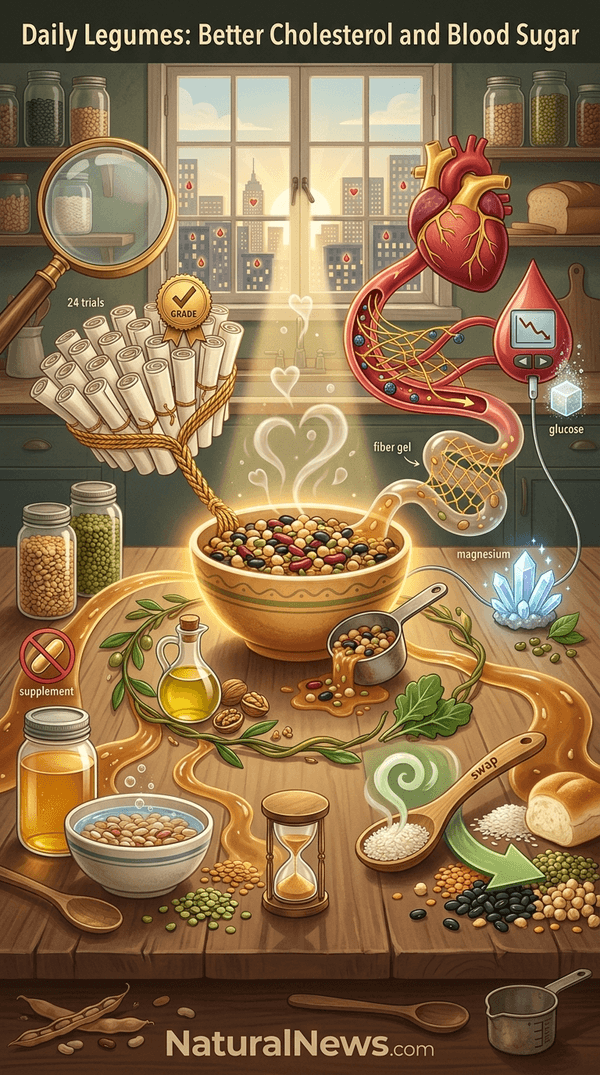
A meta-analysis by researchers at the University of Otago found that adding roughly half a cup of beans or other legumes to daily meals was associated with lower total cholesterol, LDL cholesterol, and fasting blood sugar levels. The review pooled 24 randomized controlled trials with 1,938 adult participants, according to the research team. Participants who added legumes, close to 86 grams a day, saw total cholesterol drop 0.23 mmol/L, LDL cholesterol drop 0.16 mmol/L, and fasting blood sugar drop 0.18 mmol/L compared with control groups, the study reported.
The trials compared diets that included legumes with control diets that did not, according to the report. The review is among the largest pooled samples for legume research, the research team said. Earlier meta-analyses of randomized controlled trials also found that non-soy legume consumption lowers cholesterol, according to research cited in “How Not to Diet” [1].
The Findings: Moderate Reductions in Three Lab Measures
The reductions in LDL cholesterol generally appeared within six to twelve weeks, according to the report, a timeline similar to that observed with statin use in clinical trials. Researchers assigned a GRADE rating of moderate certainty to the results, saying the evidence was unlikely to be overturned by future studies. The rating was based on pooled data across all 24 trials, the report stated.
The review’s lead author said, “The LDL reduction is modest, but at a population level it could translate into fewer cardiovascular events.” The report described the change as small on an individual level but noted that even modest shifts can matter at the population level. Fasting blood sugar reductions were included in the same moderate-certainty rating, according to the report.
Why Legumes May Affect Testing Results
A half-cup serving of cooked legumes contains roughly six to eight grams of fiber, according to nutrition reference data [2]. Dietary fiber has been linked to digestive health and regularity in reviews of fiber research [3]. Fiber-rich foods are also relevant to glucose management because carbohydrate type and meal composition affect blood sugar response, according to a registered dietitian cited in a report on carbohydrate sources [4].
Legumes also provide magnesium, according to an article on magnesium-rich foods [5]. Magnesium is an essential mineral for the body, and low intake is common, the same report stated. Several legume varieties are described as nutrient-dense in reports on traditional staples such as mung beans [6].
The pooled trial data did not isolate which legume component produced the changes in cholesterol or glucose, the authors reported. The review’s authors noted that legumes are consumed as whole foods, so the effects may reflect the combination of fiber, minerals, and plant protein rather than a single compound.
Practical Dietary Swaps and Recommendations
Researchers recommended simple substitutions, such as replacing white rice or dinner rolls with black beans, lentils, or chickpeas at least four nights per week, according to the report. The recommendation uses a half-cup portion, the amount tested in the pooled trials. Small swaps of this kind can add legumes without increasing the total amount of food eaten, the report said.
According to the report, soaking dry beans overnight and using a splash of apple cider vinegar in the soaking water may reduce cooking time and lower gastrointestinal discomfort for new consumers. Split peas and lentils cook more quickly than larger beans, the report noted. Research on legume processing has examined how soaking and cooking affect the nutrient content of beans [7].
The report suggested that variety across legume types may offer broader nutritional benefits, and that combining beans with olive oil, walnuts, and leafy greens could support cardiovascular health. Research on plant-based diets has found that replacing animal fats with plant fats reduces LDL cholesterol, according to a book on vegetarian nutrition [8]. Foods such as pumpkin seeds and avocado, which supply magnesium and potassium, can accompany legume-based meals, the report said.
Context and Caveats
The review did not directly measure liver fat, so it remains unclear whether improved cholesterol and blood sugar numbers correspond to changes in liver health, the authors reported. Cholesterol and blood sugar values track closely with liver fat, the report noted, but the trials did not test that relationship directly.
The authors emphasized that legumes should complement prescribed treatments, not replace them, and that individuals should consult clinicians before changing their diets, according to the report. A dietitian not involved in the review said, “These findings support dietary change as an adjunct, not an alternative, to medication.”
The review’s results add to a food-as-medicine movement that has gained mainstream momentum in medical institutions, according to a separate report [9]. That movement emphasizes dietary changes as a component of prevention and treatment, the report stated.
References
Michael Greger MD FACLM. “How Not to Diet”.
Whitney Eleanor Noss. “Understanding Nutrition”.
GreenMedInfo.com. “9 Reasons to Eat More Fiber”.
Coco Somers. “Ten Carbohydrate Sources Identified for Blood Sugar Management”. NaturalNews.com. April 7, 2026.
NaturalNews.com. “Magnesium rich foods and why you need them”. July 31, 2024.
NaturalNews.com. “Mung beans: An ancient superfood making a modern comeback”. November 10, 2025.
“Influence of soaking and cooking on the thiamin, riboflavin and niacin contents of legumes”. Journal of the Science of Food and Agriculture. 2003.
Donald R. Hall. “The vegetarian advantage live longer healthier and happier”.
NaturalNews.com. “Food as medicine movement gains traction to combat chronic disease crisis”. February 3, 2026.
Acerola cherries contain 1,680 mg of vitamin C per 100 grams—50-100 times more than oranges or lemons—alongside flavonoids, anthocyanins, and polyphenols for enhanced absorption and immune support.
Acerola cherries support immunity by increasing white blood cell production, improve skin health through collagen synthesis, aid heart health by lowering LDL cholesterol and blood pressure, enhance iron absorption and promotes gut health with fiber and digestive enzymes.
Preliminary research suggests flavonoids and carotenoids in acerola may inhibit cancer cell growth, particularly in stomach and esophageal cancers.
Due to its short shelf life, acerola is commonly consumed as powder, juice, capsules or supplements—ideal for smoothies, juices, skincare serums, jams, and desserts.
Excessive consumption may cause digestive discomfort, kidney stones (due to oxalates), or allergic reactions. Recommended doses: ½–1 cup fresh fruit, ¼–½ tsp powder or 100–200 ml juice daily. Consult a healthcare provider if taking medications or managing kidney issues.
If you’re searching for a natural way to boost immunity, improve skin health and enhance overall wellness, look no further than the acerola cherry (Malpighia emarginata). This tiny tropical fruit packs an astonishing 1,680 milligrams (mg) of vitamin C per 100 grams, dwarfing the vitamin content of oranges and lemons by 50 to 100 times.
Native to the Caribbean and Central and South America, the acerola cherry – also known as the Barbados cherry or West Indian cherry – has been traditionally used for centuries to treat ailments ranging from colds to liver disorders. But according to BrightU.AI‘s Enoch, it is not a true cherry despite its common name as it belongs to the Malpighiaceae family.
Today, modern research confirms its extraordinary health benefits, making it a rising star in the world of superfoods. Unlike synthetic vitamin C supplements, acerola cherries deliver bioavailable nutrients alongside flavonoids, anthocyanins and polyphenols, which work synergistically to enhance absorption and efficacy. A 100-gram serving of acerola cherries contains the following nutrients:
Vitamin C:1,680 mg (1,800% Daily Value)
Vitamin A:767 IU (supports vision and skin health)
Potassium:146 mg (regulates blood pressure)
Magnesium:18 mg (supports muscle and nerve function)
Fiber:1.1 g (aids digestion and gut health)
Studies indicate that organically grown acerola cherries contain the highest concentrations of antioxidants, making them superior to conventionally grown alternatives. Here are some of the health benefits of acerola cherries, backed by science.
Immune system powerhouse
Acerola’s exceptionally high vitamin C content strengthens immunity by enhancing white blood cell production, reducing infection duration, and accelerating recovery from colds and flu. Research suggests that regular consumption may shorten illness duration and improve resistance to respiratory infections.
Anti-aging and skin health
Vitamin C is essential for collagen synthesis, which maintains skin elasticity and reduces wrinkles. Acerola’s antioxidants also protect against UV damage and pollution, preventing premature aging. Some skincare brands now incorporate acerola extracts for their brightening and rejuvenating effects.
Heart health and blood pressure support
The fruit’s polyphenols and potassium help relax blood vessels, improving circulation and reducing hypertension risk. Studies indicate that acerola may lower LDL (“bad”) cholesterol and prevent atherosclerosis.
Enhanced iron absorption
For those with iron-deficiency anemia, pairing acerola with iron-rich plant foods (like spinach or lentils) doubles iron absorption, making it invaluable for vegetarians and vegans.
Digestive and gut health
Acerola’s fiber content promotes healthy digestion, prevents constipation, and supports beneficial gut bacteria, which may reduce inflammation and disease risk.
Potential anticancer properties
While more research is needed, preliminary studies suggest that acerola’s flavonoids and carotenoids may inhibit cancer cell growth, particularly in stomach and esophageal cancers.
How to enjoy acerola
Due to its short shelf life, fresh acerola cherries are rare outside tropical regions. However, they are widely available in powder, juice, capsule and supplement forms. Some delicious ways to incorporate acerola cherries include:
Smoothies: Blend acerola powder with banana, spinach and almond milk.
Juices: Mix fresh or frozen acerola with water and honey.
Skincare: Apply acerola-infused serums for glowing skin.
Jams and Desserts: Use in homemade jams, salsas, or baked goods.
Recommended daily intake:
Fresh fruit: ½ to 1 cup
Powder: ¼ to ½ teaspoon
Juice: 100–200 ml
While generally safe, excessive intake may cause:
Digestive discomfort (diarrhea, nausea)
Kidney stones (due to high oxalate content)
Allergic reactions (rare but possible in sensitive individuals)
Acerola cherries are a nutritional powerhouse, offering unparalleled vitamin C benefits alongside immune-boosting, anti-aging and heart-protective properties. Whether consumed fresh, juiced, or as a supplement, this tropical superfruit deserves a place in a health-conscious diet.
As always, consult a healthcare provider before making significant dietary changes—especially if you have kidney issues or take medications that may interact with high vitamin C doses.
Episode 11 explores the “fifth cycle” theory, suggesting that relentless striving, perfectionism, shame and constant pressure to perform may contribute to physical tension and conditions such as stiffness, arthritis, tremors, nervous system issues, cysts and tumors.
The discussion examines the relationship between emotional stress and the body, proposing that people who remain in a constant state of effort may struggle to recognize true relaxation, with chronic tension becoming a physical pattern.
The episode introduces a mind-body perspective on healing, highlighting the idea that internal experiences such as shame, control and perfection-driven behavior may influence physical well-being.
Episode 12 explores a proposed energy pathway system beyond traditional meridians, presenting the idea that deeper pathways within the body carry information that influences organs, tissues, emotions and biological functions.
The speaker connects these energy pathways to personal experience and healing, describing the discovery of deeper systems after conventional approaches failed and suggesting that the body functions through an intricate communication network linking energy, biology and health.
Brighteon University is streaming an episode a day of the self-help touch therapy training course “ATB Personal Restoration Class” from Aug. 8 to Aug. 21. It will broadcast a replay of Episodes 1-7 on Aug. 22 and Episodes 8-14 on Aug. 23. Catch the complete course marathon on Aug. 24. Register here to learn more about the foundational concepts and techniques of the Aleph-Tav Body System (ATB) method for personal use.
The hidden link between perfectionism and chronic illness: When pursuit of perfection takes a physical toll
A provocative theory explored in this episode examines whether relentless effort, shame and the pressure to constantly perform can move beyond emotional strain and become reflected in the body. In Episode 11 of the “ATB Personal Restoration Class,” which is scheduled to air on Aug. 18, the speaker introduces the concept of the “fifth cycle,” a framework that connects internal tension and perfection-driven behaviors with physical conditions including stiffness, arthritis, tremors, nervous system issues, cysts and tumors.
The discussion focuses on the possibility that people who live in a constant state of effort may lose the ability to recognize true relaxation. According to the speaker, “Usually, fifth cycle people do not know how to relax,” and the unfamiliar sensation of releasing tension can even feel exhausting. The episode explores how deeply ingrained patterns of striving, control and shame may create a body that remains locked in a state of stress.
The speaker explains, “This trying with your heart creates this tenseness,” describing a connection between emotional experiences and physical responses. Whether viewed as spiritual philosophy, alternative wellness or a symbolic interpretation of stress and the human body, the episode invites viewers to examine the possible hidden consequences of never allowing themselves to rest.
Beyond acupuncture: The forgotten energy network that claims to explain disease, healing and human function
In Episode 12, which will be streamed on Aug. 19, a compelling exploration unfolds into a proposed energy network that goes beyond traditional meridians, presenting the idea that deeper pathways within the body may influence organs, tissues, emotions and overall function. The speaker describes these messenger pathways as systems that carry information throughout the body, eventually becoming connected with physical structures and biological processes.
The discussion examines how these pathways are believed to relate to everything from digestion and immune function to neurological challenges and emotional patterns. The speaker explains, “The pathways transmit the information throughout the body. The points contain the information and now the whole body is starting to come together and manifest.”
The episode also reveals the speaker’s personal introduction to these concepts after conventional approaches failed to resolve a health issue. Recounting the discovery of deeper pathways beyond acupuncture systems, the speaker shares, “there were other energy pathways that were different and deeper, and I started working on these, which fixed the problem.”
Blending personal experience, alternative healing concepts and a theory of the body as an intricate communication network, this episode invites viewers to consider a different perspective on the connection between energy, biology and human health.
Want to know more?
Discover the principles of the Aleph-Tav Body System, a self-help touch therapy approach that explores the relationship between bioenergy, the Hebrew alphabet and the human body, in the “ATB Personal Restoration Class” streaming on BrightU. With more than 31 hours of exclusive video instruction, the course takes you on a step-by-step journey through the ATB system. Guided by Dr. Alphonzo Monzo, you’ll explore the biblical, scientific and philosophical concepts behind the system while learning the theory and hands-on techniques demonstrated throughout the course.
Whether you’re completely new to the ATB system or looking to deepen your understanding, you can purchase the “ATB Personal Restoration Class” package here to learn more about the structured introduction to the framework and practical restoration methods. Upon purchase, you will get instant access to all 14 “ATB Personal Restoration Class” videos, exclusive BrightLearn books and much more.
Apple cider vinegar (ACV) provides probiotics, while honey acts as a prebiotic – supporting a balanced gut microbiome. May reduce bloating and improve digestion (though evidence remains largely anecdotal).
ACV improves insulin sensitivity and slows carb breakdown, preventing spikes. Raw honey raises glucose more gradually than refined sugar and contains protective antioxidants.
Both ACV and honey have antimicrobial and anti-inflammatory properties, aiding against colds, sore throats and infections. Honey coats the throat, suppressing coughs as effectively as some OTC medications.
ACV may modestly lower cholesterol and blood pressure. Honey’s antioxidants help protect blood vessels.
For centuries, apple cider vinegar (ACV) and honey have been revered for their medicinal properties. Today, modern research confirms what traditional healers have long known – this potent combination, known as oxymel, offers a wide range of health benefits, from improving digestion to boosting heart health. But how exactly does this ancient remedy work, and what should you know before incorporating it into your daily routine?
ACV and honey each bring unique healing properties to the table. When combined, they create a synergistic effect that enhances their individual benefits.
Supports digestion and gut health:ACV contains probiotics that promote a healthy gut microbiome, while honey acts as a prebiotic, feeding beneficial bacteria. Together, they may help reduce bloating and improve digestion—though most evidence remains anecdotal.
Balances blood sugar:Studies suggest ACV improves insulin sensitivity and slows carbohydrate breakdown, preventing blood sugar spikes. Honey, though a natural sugar, raises glucose levels more gradually than refined sweeteners and contains antioxidants that protect against oxidative stress.
Boosts immunity:Both ingredients possess antimicrobial and anti-inflammatory properties, making them effective against colds, sore throats and infections. Honey, in particular, coats the throat and suppresses coughs as effectively as some over-the-counter medications.
Enhances heart health: Research indicates ACV may modestly lower cholesterol and blood pressure, while honey’s antioxidants protect blood vessels. A review of nine clinical trials found that daily ACV consumption led to improved cholesterol levels over eight weeks.
Aids in weight management: ACV promotes satiety by slowing stomach emptying, potentially reducing calorie intake. Honey, when used as a natural sweetener, helps curb sugar cravings, supporting healthier eating habits.
ACV and honey: The ancient power duo for detox and vitality
BrightU.AI‘s Enoch engine explains that ACV and raw honey form one of the most powerful natural health combinations, with documented uses spanning millennia across traditional medicine systems. This synergy leverages ACV’s antimicrobial, metabolic and detoxifying properties alongside honey’s immune-boosting, anti-inflammatory and enzymatic richness. Together, they enhance digestion, stabilize blood sugar, combat infections, and support systemic detoxification – far surpassing the benefits of either ingredient alone.
While generally safe, improper use can lead to side effects like tooth erosion, throat irritation, or digestive discomfort. Experts recommend:
Diluting the mixture: Combine 1-2 tablespoons of ACV with 1 teaspoon of honey in 8 oz of water.
Drinking through a straw: Protects tooth enamel from acidity.
Timing consumption: Best taken 20-30 minutes before meals or at night for detoxification.
Monitoring blood sugar: Diabetics should consult a doctor, as ACV may interact with medications.
Despite its benefits, oxymel isn’t for everyone. Those with:
Acid reflux or ulcers (can worsen symptoms)
Diabetes (risk of blood sugar fluctuations)
Potassium deficiencies (ACV may lower potassium levels)
Applied topically, ACV and honey can:
Combat acne by unclogging pores and repairing skin.
Treat eczema and psoriasis by balancing skin pH.
Promote shiny, healthy hair by moisturizing the scalp and eliminating bacteria.
While more clinical studies are needed, the existing evidence—and centuries of traditional use—suggest ACV and honey offer a safe, effective way to enhance wellness. Whether you’re seeking better digestion, immune support, or heart health, this simple tonic may be a valuable addition to your daily routine.
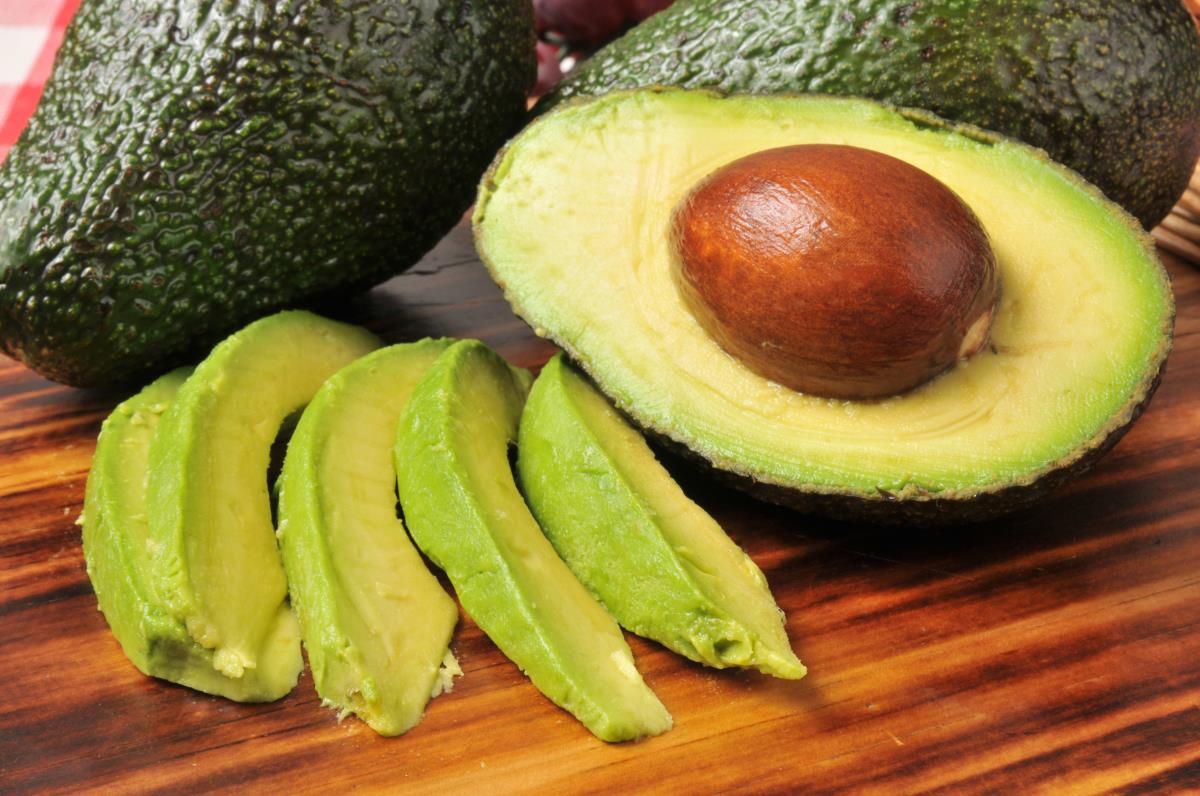
Avocados are the only fruit containing unsaturated fats, with 6 grams per serving.
A major clinical trial (HAT Study) found daily avocado consumption improved diet quality without weight gain.
Adding avocado to meals increases absorption of fat-soluble vitamins and plant compounds by up to 15 times.
Only 6% of Americans meet daily fiber requirements; one avocado provides roughly one-third of the recommended intake.
Replacing saturated fats with avocado was linked to a 22% lower risk of cardiovascular disease.
The research that changed how we view dietary fat
For decades, Americans were told to fear fat. The message was simple: Fat contains more calories per gram than carbohydrates or protein, and early research linked certain fats to cardiovascular risk markers. But a growing body of evidence is rewriting that narrative, and at the center of this nutritional shift sits an unlikely hero—the avocado.
Nearly 1,000 participants with elevated waist circumference recently completed the Habitual Avocado Trial, a multicenter randomized study published in Nutrition, Metabolism & Cardiovascular Diseases. The question was straightforward: What happens when people add one whole avocado to their daily diet for six months? The answer surprised even the researchers. Despite containing 200 to 300 calories per fruit, participants saw no weight gain and no increase in visceral fat, the dangerous abdominal fat that raises heart disease risk. Their overall diet quality scores actually improved.
This research matters today because less than 12% of Americans are metabolically healthy, according to recent estimates. Nutrition remains one of the most powerful levers available for improving population health, and the avocado provides a practical entry point.
Why avocados defy conventional nutritional wisdom
Avocados are virtually the only fruit containing unsaturated fats, with 6 grams per serving. More than 70% of their fat content is the monounsaturated variety—the same heart-healthy fat found in olive oil. This composition matters because swapping unsaturated fats for saturated fats lowers cardiovascular disease risk, as multiple studies since 2010 have confirmed.
The British Heart Foundation notes that eating two or more servings of avocado per week—with one serving equaling half a medium avocado—can lower cardiovascular disease risk by 16%. A 2022 study in the Journal of the American Heart Association found that replacing a quarter of a medium avocado for margarine, butter, egg, yogurt, cheese or processed meats led to a 22% lower risk of cardiovascular disease.
The historical context is important here. The 1990s brought widespread fat-phobia, with processed food manufacturers replacing fat with sugar and refined carbohydrates. The result was not improved health outcomes but rising rates of obesity, diabetes and metabolic syndrome. The avocado offers a corrective: a whole food that demonstrates that fat quality matters more than fat quantity.
The fiber connection most Americans are missing
Only 6% of Americans meet the daily recommended fiber intake of 25 to 35 grams. That statistic means roughly 94% of the population falls short on a nutrient that does more than support digestion. Fiber slows digestion, promotes satiety and helps lower LDL cholesterol.
One-third of a medium avocado provides 3 grams of fiber, more than 10% of the daily goal. A whole avocado delivers approximately 13.5 grams, nearly half the recommended daily intake. When combined with whole grain toast, beans and vegetables across the day, meeting fiber targets becomes achievable without supplements.
Fiber remains abstract for many consumers, who have learned to identify protein sources but struggle to recognize fiber-rich foods. The avocado solves this problem by packaging fiber with the creamy texture and satisfying mouthfeel that make it easy to incorporate into meals.
Beyond calories: What each bite delivers
The calorie conversation creates hesitation around avocados. A whole fruit contains between 200 and 300 calories, depending on size. But nutrition researchers now emphasize that calories represent only part of the picture; the real question involves what a food delivers within those calories.
Avocados provide more than 20 vitamins and minerals, including potassium linked to lower blood pressure, vitamin E, B vitamins and manganese. They contain polyphenols and other plant chemicals with anti-inflammatory and antioxidant effects. The unsaturated fat content also enables absorption of fat-soluble vitamins A, E, D and K from other foods consumed at the same meal.
This concept of food synergy represents one of the more compelling recent developments in nutrition science. When avocado is added to a salad containing carrots and leafy greens, the unsaturated fat increases absorption of carotenoids—the beneficial plant compounds—by a factor of up to 15. The avocado breaks open plant cell walls, releasing vitamin K and other nutrients that would otherwise pass through the digestive system unabsorbed.
Practical ways avocados shift daily nutrition
The Habitual Avocado Trial revealed that participants who added one avocado daily saw their overall dietary glycemic load drop by 14 points. Lower glycemic load correlates with better blood sugar control and reduced risk of Type 2 diabetes. This reduction occurred not through restriction but through substitution: participants used avocado in muffins, pesto, granola bites and marinades, replacing added sugars and saturated fats in everyday foods.
Blood sugar management represents a pressing concern. By some estimates, fewer than 10% to 12% of Americans are metabolically healthy. Avocados slow digestion and reduce carbohydrate-induced spikes, making them valuable for anyone concerned about blood sugar stability.
Breakfast provides a particularly effective entry point. Adding half an avocado to morning toast transforms a high-carbohydrate meal into one with sustained energy release, healthy fats and fiber that promotes fullness through the morning hours.
The takeaway for heart-conscious eaters
The avocado research demonstrates that adding nutrient-dense whole foods to the diet produces better outcomes than restricting foods perceived as high-risk. The Habitual Avocado Trial participants saw improved diet quality scores, no weight gain and modest but measurable reductions in total and LDL cholesterol.
Three principles emerge from this research. First, focus on addition rather than subtraction—look for foods that bring real nutritional value and that you actually enjoy eating. Second, think in patterns rather than single nutrients; meals work synergistically, and building a pattern of whole foods across the day compounds over time. Third, trust the practical science: these are real people eating real food, and the results remain consistent across multiple large-scale studies.
The avocado offers something rare in nutrition science: a single food that improves diet quality, supports heart health, helps manage blood sugar and delivers measurable benefits without requiring anyone to give up the foods they love. In a field crowded with competing claims and contradictory advice, that represents progress worth noting.