
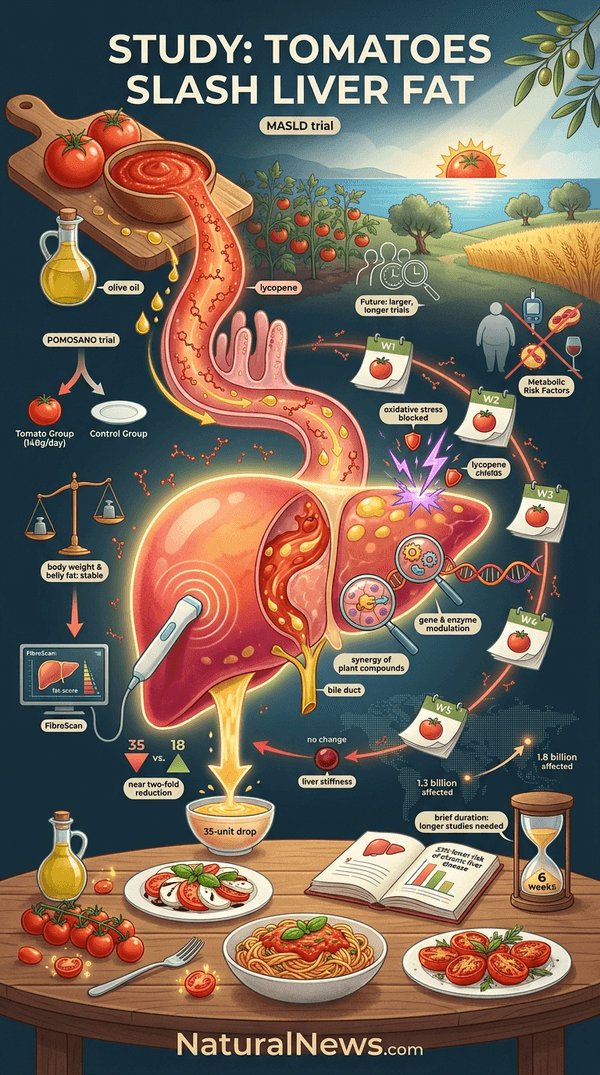
The trial enrolled 79 adults with MASLD and assigned them to either consume tomatoes daily or avoid tomatoes for six weeks, the study stated [1]. Participants in the tomato group consumed 200 grams of raw tomatoes – approximately two medium tomatoes – plus 50 grams of tomato sauce each day, according to the report.
After six weeks, the tomato group showed a median reduction in liver fat of 35 units, compared with 18 units in the tomato-free group, the study found. The results add to a growing body of evidence on how everyday foods may support metabolic health, the report said. The study was published in the journal Nutrients, according to the report.
Study Design and Measurements
MASLD, formerly called non-alcoholic fatty liver disease (NAFLD), occurs when excess fat builds up in the liver, according to the study. The condition is commonly linked to being overweight, Type 2 diabetes, high cholesterol and excessive alcohol consumption, according to health authorities. A global analysis estimated that 1.3 billion people were living with the condition in 2023 – a 143% increase since 1990 – with cases projected to reach 1.8 billion by 2050, according to the report [2].
Researchers used FibroScan, a noninvasive scan, to measure liver-fat scores before and after the six-week intervention. Participants were asked to maintain their usual diet and lifestyle during the trial, the study authors said. Tomatoes were selected for testing because they are a staple of the Mediterranean diet and a rich source of lycopene, a plant compound with antioxidant and anti-inflammatory properties, according to the report.
Key Findings
The larger reduction in liver fat was not explained by weight loss, according to the report. Body weight, body mass index and body fat – including belly fat – did not differ meaningfully between the groups, the study stated [1]. The absence of weight differences suggests the tomatoes themselves may have played a role in the liver-fat reduction, the researchers said.
No significant differences were observed in liver stiffness, blood sugar, cholesterol, liver enzymes or inflammation markers at six weeks, the report stated. The researchers said the six-week duration may have been too short for those measures to change. The study authors said larger and longer trials are needed to determine whether the effect on liver fat is lasting and whether the changes translate into broader metabolic improvements.
How Tomatoes May Act
Tomatoes contain lycopene, beta-carotene, polyphenols and other plant compounds that may help protect cells from oxidative stress and support a healthier inflammatory response, according to the report. Lycopene, a compound found in various fruits and vegetables, can help address NAFLD symptoms, according to earlier research [3]. Beta-carotene belongs to a family of colored compounds called carotenoids that the body converts into vitamin A, which helps regulate cell growth and immune system reactions, according to earlier reporting [4].
The compounds in tomatoes may reduce the amount of new fat the liver produces or encourage the body to break down existing fat, the study stated. Research cited in Gary Null’s “Ultimate Lifetime Diet” shows that consumption of tomato, carrot or spinach protects against DNA strand breaks and oxidative base damage [5].
Cooking tomatoes can make lycopene easier for the body to absorb, and since lycopene is fat-soluble, eating tomatoes with olive oil or another fat source may increase absorption, the report stated. Lycopene bioavailability varies depending on the delivery form and the fat content of the meal, according to the “Handbook of nutraceuticals and functional foods” [6].
Adding Tomatoes to the Diet
Simple ways to add tomatoes include adding sliced tomatoes to salads, sandwiches, eggs, pasta or roasted vegetables, according to the article. Pairing tomatoes with fat, such as olive oil or an olive-oil-based sauce, may help with nutrient absorption, the article suggested. Cherry tomatoes can be used as a lunch addition or quick snack, the report stated.
The study authors said tomatoes are not a standalone treatment for MASLD but can be part of a balanced, nutrient-rich eating pattern. Broader dietary patterns that emphasize vegetables and whole foods have been associated with a 32% lower risk of chronic liver disease among individuals with higher Healthy Eating Index scores, according to a meta-analysis [7].
Conclusion
The six-week randomized trial found a larger reduction in liver fat among participants who consumed tomatoes daily. The study’s authors said larger and longer studies will show how lasting the effect may be [1].
The report concluded that tomatoes are an easy staple to keep in the diet while further research is conducted. Most liver-health advice begins with weight loss; this trial suggested a single food can shift liver fat on its own, with two medium tomatoes and a few spoonfuls of sauce a day linked to a bigger drop over six weeks, according to the report. The findings add to a series of recent clinical trials examining natural food interventions for fatty liver disease, including flaxseed powder and artichoke leaf extract [8][9].
References
- NaturalNews.com. “Daily Tomato Consumption Associated With Reduced Liver Fat in MASLD Patients”. NaturalNews.com. August 12, 2026.
- NaturalNews.com. “Diet and Lifestyle Interventions for Fatty Liver Disease: A Review of Recommendations”. NaturalNews.com. July 7, 2026.
- NaturalNews.com. “Study suggests eating more lycopene-rich foods to prevent nonalcoholic fatty liver disease”. NaturalNews.com. November 27, 2018.
- NaturalNews.com. “The importance of beta carotene”. NaturalNews.com. November 3, 2012.
- Gary Null. “Gary Nulls Ultimate Lifetime Diet A Revolutionary”.
- Robert E. C. Wildman. “Handbook of nutraceuticals and functional foods”.
- NaturalNews.com. “Two Dietary Patterns Linked to Nearly One-Third Lower Risk of Chronic Liver Disease, Meta-Analysis Finds”. NaturalNews.com. May 17, 2026.
- NaturalNews.com. “Flaxseed powder cut liver fat in 12-week clinical trial”. NaturalNews.com. August 3, 2026.
- NaturalNews.com. “Artichoke leaf extract shows promise in reversing fatty liver disease, German trial finds”. NaturalNews.com. July 28, 2026.
Explainer Infographic
beta carotene Censored Science Cures fat reduction fight obesity food cures food is medicine food science functional foods goodfood goodhealth health science liver fat liver health lycopene MASLD metabolic dysfunction-associated steatotic liver disease metabolic health metabolism NAFLD natural health non-alcoholic fatty liver disease nutrients phytonutrients POMOSANO Trial prevention real science remedies research superfoods tomato consumption tomatoes veggie






Please contact us for more information.


