Browsing: plutonium
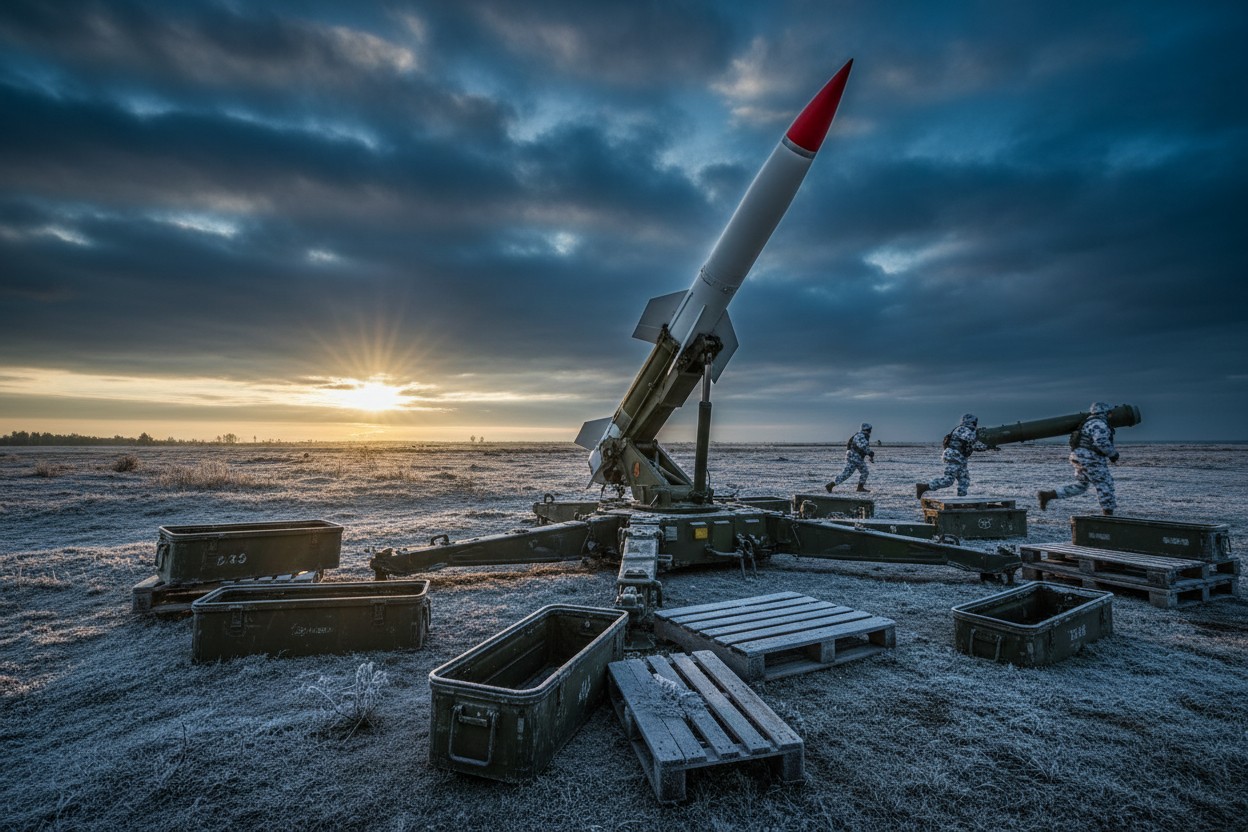
The mushroom cloud is often imagined as the defining image of a nuclear disaster: a blinding flash, a devastating shockwave and a towering column of smoke.
But in Chapter 5 of “UNBREAKABLE,” streamed on Sept. 2, Mike Adams focused on what he described as a far less visible danger: the radioactive contamination that can remain after the blast and potentially follow survivors through the air they breathe, the water they drink and the food they eat.
Adams’ discussion centered on a crucial distinction between external radiation exposure and radioactive materials that enter the body. He examined several isotopes associated with nuclear fallout, including iodine-131, cesium-137, strontium-90, plutonium and uranium, emphasizing that their biological effects depend not only on how radioactive they are, but also on where they travel and accumulate inside the body.
From mushroom cloud to food chain
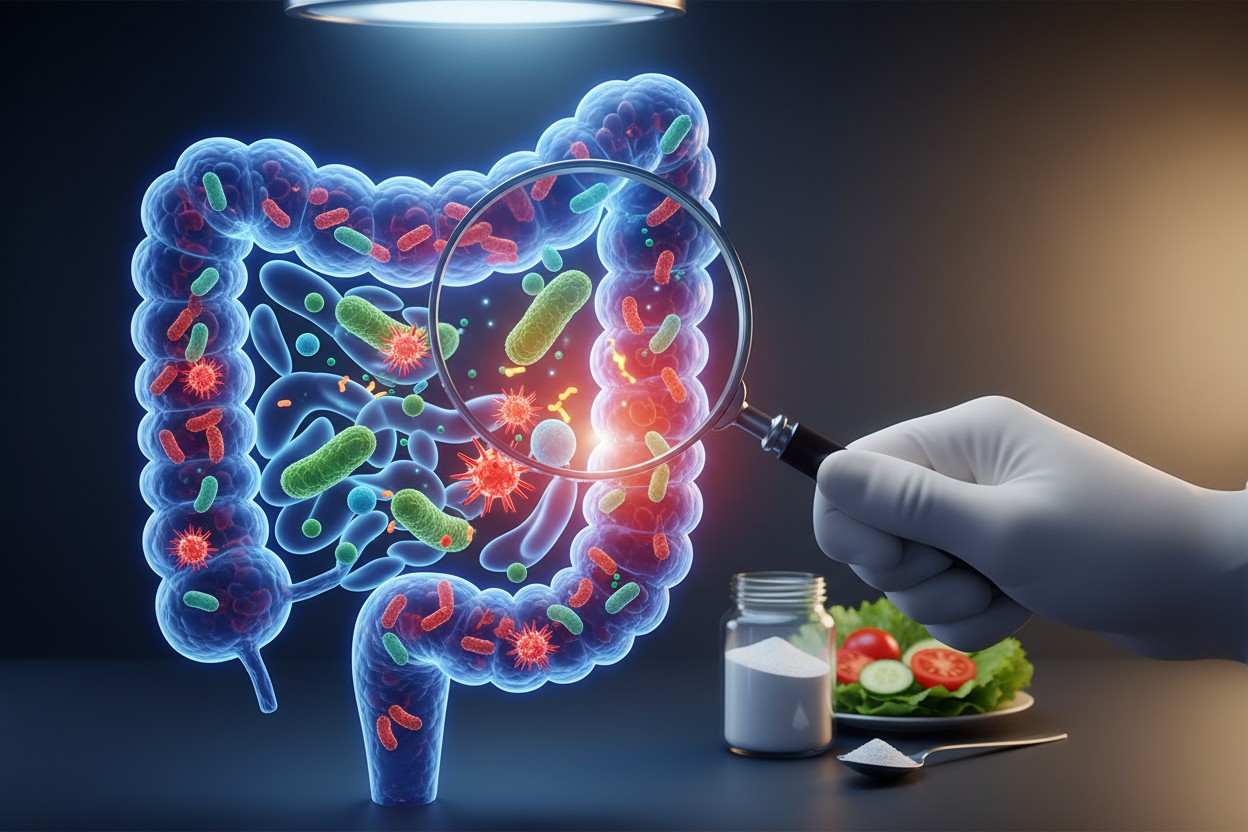
The episode traced a disturbing pathway from atmospheric fallout to the food supply. Adams explained that radioactive particles can be carried by winds, deposited by rain and absorbed into soil. From there, plants can take up certain isotopes through their roots. Grazing animals can consume contaminated vegetation, potentially transferring radioactive material into meat, milk and eggs. Waterways and aquatic organisms can become additional links in the chain.
Among the isotopes discussed, iodine-131 is presented as a short-lived but particularly important threat because the body treats radioactive iodine similarly to ordinary iodine, allowing it to concentrate in the thyroid. Cesium-137 follows a different biological route, behaving chemically like potassium and potentially distributing throughout soft tissues. Strontium-90 can mimic calcium and become incorporated into bones, bringing radioactive emissions close to bone marrow.
The episode then turned to plutonium and uranium, whose alpha emissions pose a fundamentally different concern when radioactive particles are inhaled or otherwise deposited internally. Adams described alpha radiation as highly concentrated over extremely short distances, contrasting it with gamma radiation, which can penetrate deeply through the body. His central warning was that a radioactive particle lodged inside tissue is not simply an external hazard. It can become a continuing source of localized exposure.
The invisible second phase of disaster
That distinction gave the episode its most unsettling premise. The end of the explosion does not necessarily mark the end of the threat. Fallout can settle onto landscapes, enter agricultural systems, contaminate water and become incorporated into biological tissue. Some radioactive materials decay relatively quickly; others can remain significant for decades, centuries or far longer.
Adams underscored the importance of understanding these different pathways rather than treating all radiation exposure as identical. As he put it, “not all ionizing radiation is the same.” He also warned that contamination can travel far beyond the original blast zone, carried through atmospheric circulation and environmental systems.
The result was a preview of a nuclear disaster viewed from an unexpected angle: not simply as an event of seconds or minutes, but as a chain reaction extending into the environment and the human body. The episode asked viewers to look beyond the mushroom cloud, to the soil beneath it, the crops growing there, the animals feeding on those crops and the invisible contaminants that could ultimately make their way onto the dinner table.
Want to know more?
Discover the concepts explored in Mike Adams’ “UNBREAKABLE” course, which examines DNA integrity, cellular repair pathways, radiation exposure and the relationship between nutrition and genetic resilience, streaming on BrightU. Across 13 chapters, the course takes viewers through the fundamentals of DNA damage and repair, including NHEJ, homologous recombination, double-strand breaks and cellular mechanisms involving BRCA1, 53BP1 and CHK1. It also explores Adams’ perspectives on spike protein, nuclear fallout, environmental stressors and the nutritional strategies he believes may support DNA repair.
Whether you’re new to the subject or looking to explore the science presented in the course in greater depth, you can purchase the “UNBREAKABLE” course package here to learn more about its framework for genetic preparedness and cellular resilience. Upon purchase, you’ll gain access to the full 13-chapter course and accompanying educational materials covering DNA repair, nutrition, environmental exposure and Adams’ proposed strategies for supporting the body’s natural repair mechanisms.
Sources include:
alpha radiation badhealth badpollution Cesium-137 Collapse contaminated water Dangerous food supply gamma radiation iodine-131 Mike Adams nuclear nuclear fallout plutonium radiation radioactive isotopes strontium-90 UNBREAKABLE uranium

Please contact us for more information.
Who We Are
Meet the Health Ranger
Free Email Newsletter
Support
Write for Us
Media Information
Advertising Information
Submit a News Tip
Privacy Policy
Terms of Use
Home
All News
Health Ranger Store
Health Ranger Report Podcast
Natural News App
BrightAnswers.ai
Blog Articles
RSS Feed
This site is part of the Natural News Network © 2022 All Rights Reserved. Privacy | Terms All content posted on this site is commentary or opinion and is protected under Free Speech. Truth Publishing International, LTD. is not responsible for content written by contributing authors. The information on this site is provided for educational and entertainment purposes only. It is not intended as a substitute for professional advice of any kind. Truth Publishing assumes no responsibility for the use or misuse of this material. Your use of this website indicates your agreement to these terms and those published here. All trademarks, registered trademarks and servicemarks mentioned on this site are the property of their respective owners.
The mushroom cloud is often imagined as the defining image of a nuclear disaster: a blinding flash, a devastating shockwave and a towering column of smoke.
But in Chapter 5 of “UNBREAKABLE,” streamed on Sept. 2, Mike Adams focused on what he described as a far less visible danger: the radioactive contamination that can remain after the blast and potentially follow survivors through the air they breathe, the water they drink and the food they eat.
Adams’ discussion centered on a crucial distinction between external radiation exposure and radioactive materials that enter the body. He examined several isotopes associated with nuclear fallout, including iodine-131, cesium-137, strontium-90, plutonium and uranium, emphasizing that their biological effects depend not only on how radioactive they are, but also on where they travel and accumulate inside the body.
From mushroom cloud to food chain
The episode traced a disturbing pathway from atmospheric fallout to the food supply. Adams explained that radioactive particles can be carried by winds, deposited by rain and absorbed into soil. From there, plants can take up certain isotopes through their roots. Grazing animals can consume contaminated vegetation, potentially transferring radioactive material into meat, milk and eggs. Waterways and aquatic organisms can become additional links in the chain.
Among the isotopes discussed, iodine-131 is presented as a short-lived but particularly important threat because the body treats radioactive iodine similarly to ordinary iodine, allowing it to concentrate in the thyroid. Cesium-137 follows a different biological route, behaving chemically like potassium and potentially distributing throughout soft tissues. Strontium-90 can mimic calcium and become incorporated into bones, bringing radioactive emissions close to bone marrow.
The episode then turned to plutonium and uranium, whose alpha emissions pose a fundamentally different concern when radioactive particles are inhaled or otherwise deposited internally. Adams described alpha radiation as highly concentrated over extremely short distances, contrasting it with gamma radiation, which can penetrate deeply through the body. His central warning was that a radioactive particle lodged inside tissue is not simply an external hazard. It can become a continuing source of localized exposure.
The invisible second phase of disaster
That distinction gave the episode its most unsettling premise. The end of the explosion does not necessarily mark the end of the threat. Fallout can settle onto landscapes, enter agricultural systems, contaminate water and become incorporated into biological tissue. Some radioactive materials decay relatively quickly; others can remain significant for decades, centuries or far longer.
Adams underscored the importance of understanding these different pathways rather than treating all radiation exposure as identical. As he put it, “not all ionizing radiation is the same.” He also warned that contamination can travel far beyond the original blast zone, carried through atmospheric circulation and environmental systems.
The result was a preview of a nuclear disaster viewed from an unexpected angle: not simply as an event of seconds or minutes, but as a chain reaction extending into the environment and the human body. The episode asked viewers to look beyond the mushroom cloud, to the soil beneath it, the crops growing there, the animals feeding on those crops and the invisible contaminants that could ultimately make their way onto the dinner table.
Want to know more?
Discover the concepts explored in Mike Adams’ “UNBREAKABLE” course, which examines DNA integrity, cellular repair pathways, radiation exposure and the relationship between nutrition and genetic resilience, streaming on BrightU. Across 13 chapters, the course takes viewers through the fundamentals of DNA damage and repair, including NHEJ, homologous recombination, double-strand breaks and cellular mechanisms involving BRCA1, 53BP1 and CHK1. It also explores Adams’ perspectives on spike protein, nuclear fallout, environmental stressors and the nutritional strategies he believes may support DNA repair.
Whether you’re new to the subject or looking to explore the science presented in the course in greater depth, you can purchase the “UNBREAKABLE” course package here to learn more about its framework for genetic preparedness and cellular resilience. Upon purchase, you’ll gain access to the full 13-chapter course and accompanying educational materials covering DNA repair, nutrition, environmental exposure and Adams’ proposed strategies for supporting the body’s natural repair mechanisms.
Sources include:
alpha radiation badhealth badpollution Cesium-137 Collapse contaminated water Dangerous food supply gamma radiation iodine-131 Mike Adams nuclear nuclear fallout plutonium radiation radioactive isotopes strontium-90 UNBREAKABLE uranium
Please contact us for more information.