

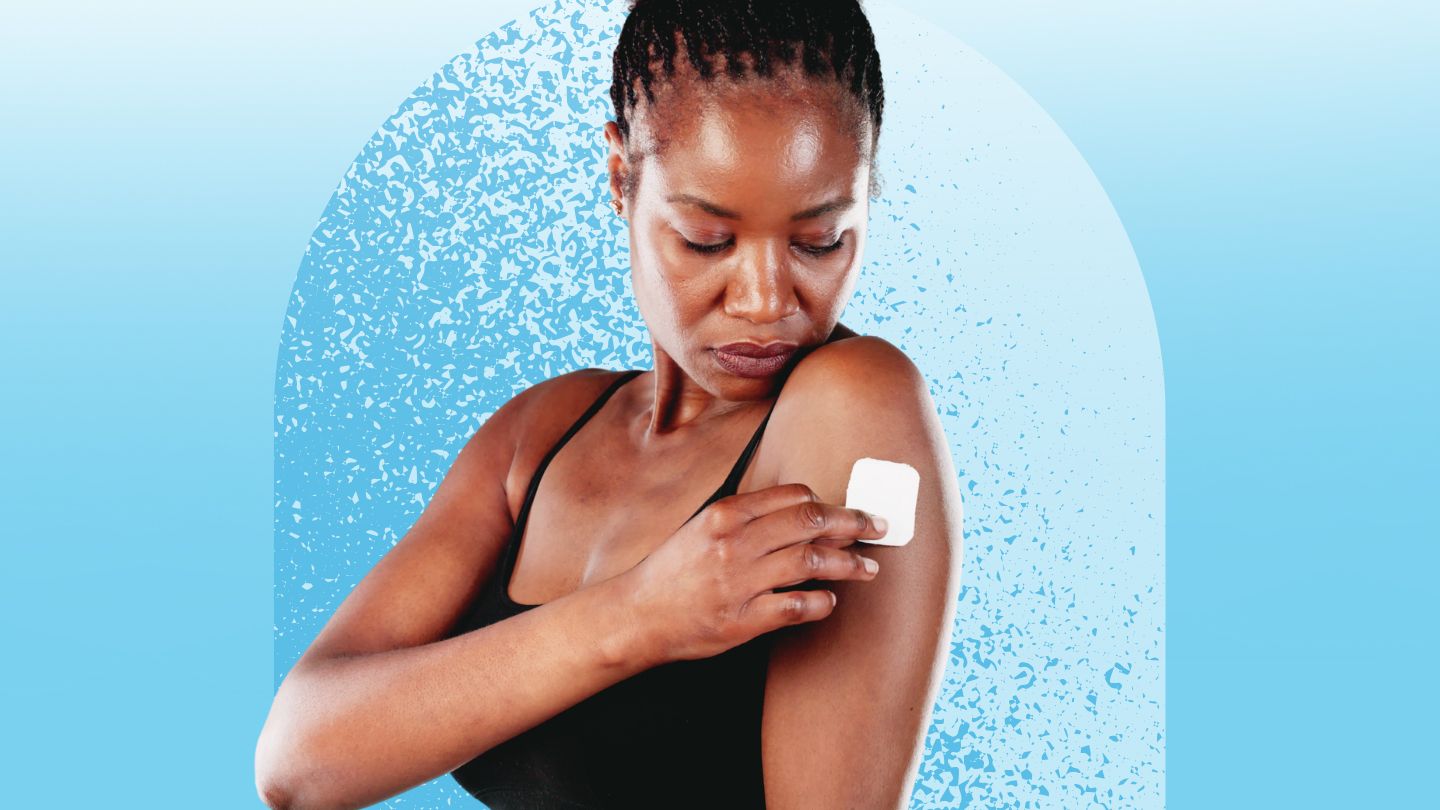
The research found that women taking hormone therapy were nearly 70 percent less likely to have signs of osteoporosis or its precursor, osteopenia, compared with those not using it.
Researchers say that women need to know about this added benefit when considering hormone therapy.
“The conversation around menopausal hormone therapy has historically been about risks of the treatment, which keeps women away from it,” says study author Diego Espinoza-Peralta, MD, vice president of the Mexican Society of Nutrition and Endocrinology.
“This study brings a more positive angle to the conversation by showing that the therapy benefits bone density, and we shouldn’t just talk about the risks,” says Dr. Espinoza-Peralta, who works in Sonora, Mexico.
Women Who Used Hormone Therapy Had Higher Bone Density
For the study, researchers in Mexico recruited nearly 400 postmenopausal women. About a third were taking some form of hormone replacement therapy, or HRT.
The women received bone mineral density scans, a standard test used to diagnose osteopenia and osteoporosis, to measure calcium levels in their lumbar spines and hips. Researchers also used blood tests to measure vitamin D, an important mineral for maintaining strong bones.
The results showed that women taking HRT were 69 percent less likely to have low bone mineral density, compared with women who didn’t take HRT. This finding held true even after researchers accounted for age, time since menopause, vitamin D levels, smoking status, and other health conditions.
Low bone density and osteoporosis increase the risk of fractures and mobility issues, Espinoza-Peralta says, which can rob older women of their independence, put them at risk of blood clots, and in severe cases even lead to early death.
“After a hip fracture, even with appropriate treatment, 10 to 20 percent of older adults will die within six months,” says Madeline Dick-Biascoechea, MD, an obstetrician-gynecologist at the University of Maryland Medical Center and an assistant professor at the University of Maryland School of Medicine, both in Baltimore. “The number goes up to 30 percent within one year of a hip fracture.”
Hormone therapy can help women avoid this by protecting their bones. “The study builds on the data we have already to establish hormone therapy as a way to prevent osteoporosis in higher-risk patients like post-menopausal women,” says Dr. Dick-Biascoechea. “The finding is useful because the more scaffolding and information we have, the better we can support women and their decision-making in terms of using hormone therapy.”
Hormone Therapy Can Help Protect the Bones as Estrogen Levels Fall
Estrogen is an important hormone when it comes to building and protecting bones, Dick-Biascoechea says. When women go through menopause, estrogen and other hormones that support bone health can drop precipitously.
“When you go through this, the bone starts breaking down more quickly than it can renew its tissue,” Dick-Biascoechea says.
“When women receive estrogen from hormone therapy, it slows that process down and supports bone density and health,” Espinoza-Peralta says.
The Study Has Some Limitations
One strength of the study is that it’s one of the first to specifically look at a Latin American population, which has historically been understudied, Espinoza-Peralta says. But the research is limited in other ways.
The investigators only scanned the women’s bones once, after they had already started hormone therapy, so it’s not possible to tell how bone density may have changed over time, Dick-Biascoechea says.
The study also didn’t measure how long the women had been taking hormone therapy, or what type they took, which would provide more specific data on the most effective approach to this treatment.
“Also, for osteoporosis prevention, weight-bearing exercises are really important, and that wasn’t measured,” Dick-Biascoechea says. “It would have strengthened findings to also test women’s weight-bearing capabilities to evaluate bone health.”
Could Hormone Therapy Be Right for You?
While hormone therapy can be a powerful tool for reducing menopause symptoms and protecting bone health, it’s not appropriate for all women, Espinoza-Peralta says.
“Older patients don’t benefit from hormone therapy above 60 years old because their risk is elevated for cancer and stroke,” he says.
If you’re considering hormone therapy, discuss it with a healthcare provider who has experience treating menopause symptoms, Dick-Biascoechea says, so that you can make informed decisions. You might even consider seeking out a menopause specialist.
“Every woman should have a conversation and the knowledge to make important decisions that are good for your stage in life and your concerns,” she says.
