Browsing: Health
Practical Lessons, Profound Insights
Reading Time: 3 minutes
The research that changed how we view dietary fat
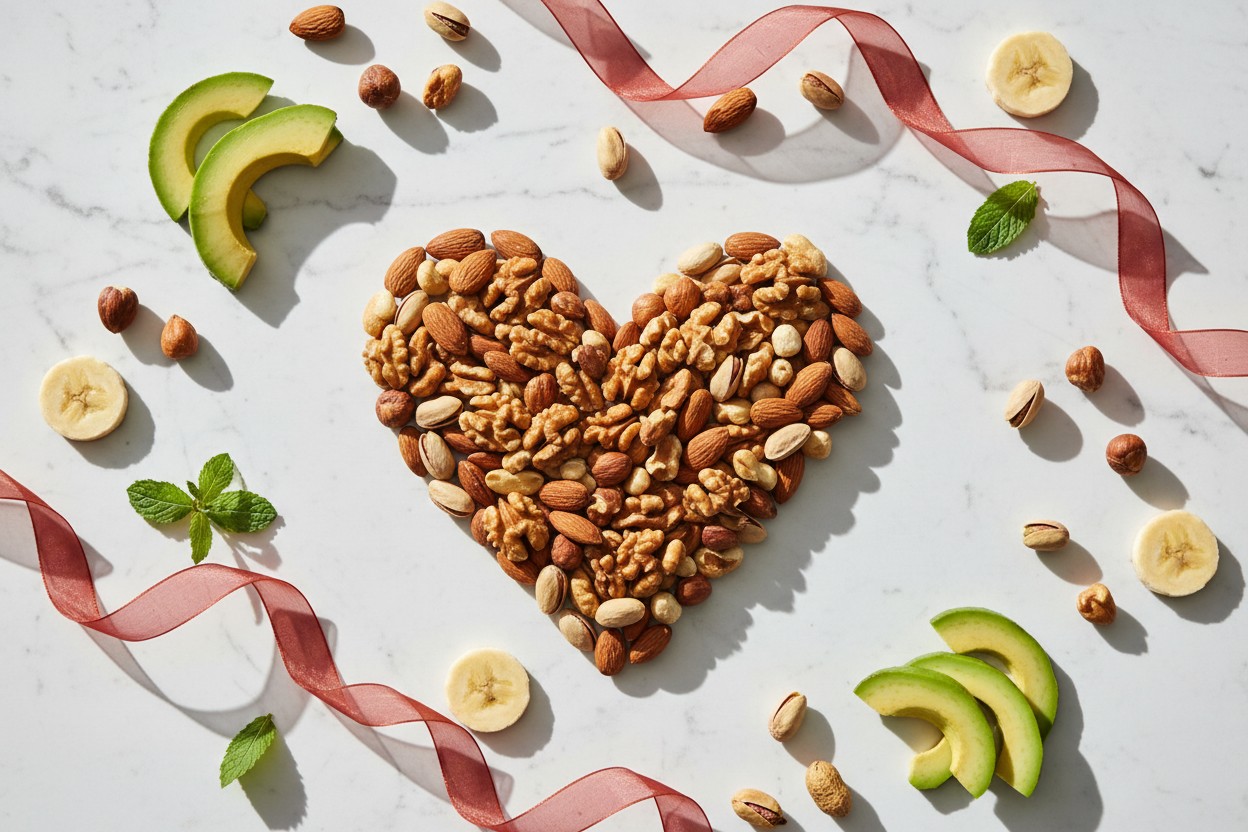
For decades, Americans were told to fear fat. The message was simple: Fat contains more calories per gram than carbohydrates or protein, and early research linked certain fats to cardiovascular risk markers. But a growing body of evidence is rewriting that narrative, and at the center of this nutritional shift sits an unlikely hero—the avocado.
Nearly 1,000 participants with elevated waist circumference recently completed the Habitual Avocado Trial, a multicenter randomized study published in Nutrition, Metabolism & Cardiovascular Diseases. The question was straightforward: What happens when people add one whole avocado to their daily diet for six months? The answer surprised even the researchers. Despite containing 200 to 300 calories per fruit, participants saw no weight gain and no increase in visceral fat, the dangerous abdominal fat that raises heart disease risk. Their overall diet quality scores actually improved.
This research matters today because less than 12% of Americans are metabolically healthy, according to recent estimates. Nutrition remains one of the most powerful levers available for improving population health, and the avocado provides a practical entry point.
Why avocados defy conventional nutritional wisdom
Avocados are virtually the only fruit containing unsaturated fats, with 6 grams per serving. More than 70% of their fat content is the monounsaturated variety—the same heart-healthy fat found in olive oil. This composition matters because swapping unsaturated fats for saturated fats lowers cardiovascular disease risk, as multiple studies since 2010 have confirmed.
The British Heart Foundation notes that eating two or more servings of avocado per week—with one serving equaling half a medium avocado—can lower cardiovascular disease risk by 16%. A 2022 study in the Journal of the American Heart Association found that replacing a quarter of a medium avocado for margarine, butter, egg, yogurt, cheese or processed meats led to a 22% lower risk of cardiovascular disease.
The historical context is important here. The 1990s brought widespread fat-phobia, with processed food manufacturers replacing fat with sugar and refined carbohydrates. The result was not improved health outcomes but rising rates of obesity, diabetes and metabolic syndrome. The avocado offers a corrective: a whole food that demonstrates that fat quality matters more than fat quantity.
The fiber connection most Americans are missing
Only 6% of Americans meet the daily recommended fiber intake of 25 to 35 grams. That statistic means roughly 94% of the population falls short on a nutrient that does more than support digestion. Fiber slows digestion, promotes satiety and helps lower LDL cholesterol.
One-third of a medium avocado provides 3 grams of fiber, more than 10% of the daily goal. A whole avocado delivers approximately 13.5 grams, nearly half the recommended daily intake. When combined with whole grain toast, beans and vegetables across the day, meeting fiber targets becomes achievable without supplements.
Fiber remains abstract for many consumers, who have learned to identify protein sources but struggle to recognize fiber-rich foods. The avocado solves this problem by packaging fiber with the creamy texture and satisfying mouthfeel that make it easy to incorporate into meals.
Beyond calories: What each bite delivers
The calorie conversation creates hesitation around avocados. A whole fruit contains between 200 and 300 calories, depending on size. But nutrition researchers now emphasize that calories represent only part of the picture; the real question involves what a food delivers within those calories.
Avocados provide more than 20 vitamins and minerals, including potassium linked to lower blood pressure, vitamin E, B vitamins and manganese. They contain polyphenols and other plant chemicals with anti-inflammatory and antioxidant effects. The unsaturated fat content also enables absorption of fat-soluble vitamins A, E, D and K from other foods consumed at the same meal.
This concept of food synergy represents one of the more compelling recent developments in nutrition science. When avocado is added to a salad containing carrots and leafy greens, the unsaturated fat increases absorption of carotenoids—the beneficial plant compounds—by a factor of up to 15. The avocado breaks open plant cell walls, releasing vitamin K and other nutrients that would otherwise pass through the digestive system unabsorbed.
Practical ways avocados shift daily nutrition
The Habitual Avocado Trial revealed that participants who added one avocado daily saw their overall dietary glycemic load drop by 14 points. Lower glycemic load correlates with better blood sugar control and reduced risk of Type 2 diabetes. This reduction occurred not through restriction but through substitution: participants used avocado in muffins, pesto, granola bites and marinades, replacing added sugars and saturated fats in everyday foods.
Blood sugar management represents a pressing concern. By some estimates, fewer than 10% to 12% of Americans are metabolically healthy. Avocados slow digestion and reduce carbohydrate-induced spikes, making them valuable for anyone concerned about blood sugar stability.
Breakfast provides a particularly effective entry point. Adding half an avocado to morning toast transforms a high-carbohydrate meal into one with sustained energy release, healthy fats and fiber that promotes fullness through the morning hours.
The takeaway for heart-conscious eaters
The avocado research demonstrates that adding nutrient-dense whole foods to the diet produces better outcomes than restricting foods perceived as high-risk. The Habitual Avocado Trial participants saw improved diet quality scores, no weight gain and modest but measurable reductions in total and LDL cholesterol.
Three principles emerge from this research. First, focus on addition rather than subtraction—look for foods that bring real nutritional value and that you actually enjoy eating. Second, think in patterns rather than single nutrients; meals work synergistically, and building a pattern of whole foods across the day compounds over time. Third, trust the practical science: these are real people eating real food, and the results remain consistent across multiple large-scale studies.
The avocado offers something rare in nutrition science: a single food that improves diet quality, supports heart health, helps manage blood sugar and delivers measurable benefits without requiring anyone to give up the foods they love. In a field crowded with competing claims and contradictory advice, that represents progress worth noting.
Sources for this article include:
alternative medicine antioxidants Censored Science fiber fight obesity food cures food is medicine Fresh fruits Good fats goodfood goodhealth grocery cures heart disease heart health longevity natural cures natural health natural medicine Naturopathy nutrients organics prevention superfoods Whole Foods
Please contact us for more information.
Who We Are
Meet the Health Ranger
Free Email Newsletter
Support
Write for Us
Media Information
Advertising Information
Submit a News Tip
Privacy Policy
Terms of Use
Home
All News
Health Ranger Store
Health Ranger Report Podcast
Natural News App
BrightAnswers.ai
Blog Articles
RSS Feed
This site is part of the Natural News Network © 2022 All Rights Reserved. Privacy | Terms All content posted on this site is commentary or opinion and is protected under Free Speech. Truth Publishing International, LTD. is not responsible for content written by contributing authors. The information on this site is provided for educational and entertainment purposes only. It is not intended as a substitute for professional advice of any kind. Truth Publishing assumes no responsibility for the use or misuse of this material. Your use of this website indicates your agreement to these terms and those published here. All trademarks, registered trademarks and servicemarks mentioned on this site are the property of their respective owners.
Practical Lessons, Profound Insights
Reading Time: 3 minutes
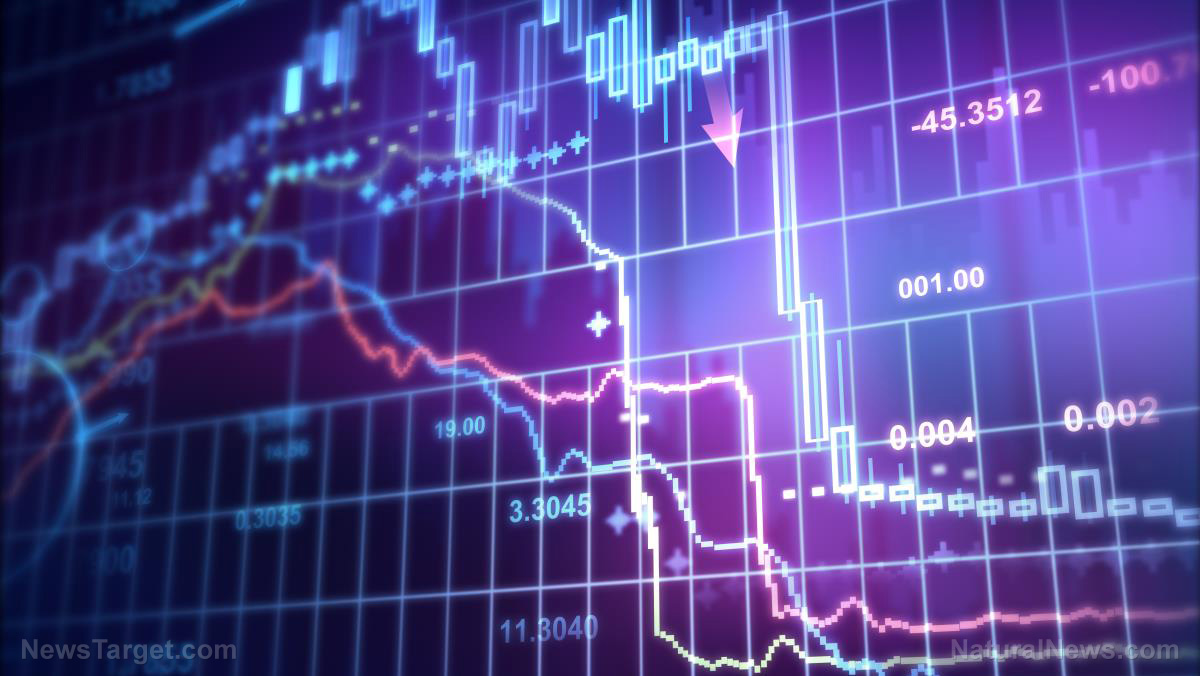
I’ve been watching the Korean stock market bubble inflate for months, and I’ve warned repeatedly that a reckoning was coming. Now it’s here. The KOSPI index has plunged repeatedly, losing nearly 10 percent in a single day on June 8, 2026, triggering circuit breakers and a mandatory trading halt [1]. Weeks later, the index crashed again, with SK Hynix falling by 15 percent in a single session [2].
The cause? The two largest stocks in Korea, Samsung and SK Hynix, make up an absurdly large share of the index, and both are memory chip makers that have been riding the AI hype train. Their valuation depended entirely on maintaining a monopoly on high-bandwidth memory (HBM) chips. But that monopoly is now shattered.
China’s CXMT is scaling bonded DRAM production without EUV lithography, closing the technology gap “far faster than expected” [3]. This is a house of cards built on the false premise that Western sanctions could permanently block China’s semiconductor advances. I said it long ago: you cannot contain China’s industrial ingenuity with export controls. The Korean crash proves that failing to heed that lesson can be very costly.
China’s Chip Breakthroughs: The Real Story the Media Misses
The mainstream financial press is spinning this as just another market correction, but the underlying story is far more profound. China has independently developed deep ultraviolet (DUV) lithography equipment and its domestic memory maker, CXMT, is now testing a pilot production line for next-generation bonded DRAM [3].
CXMT’s IPO on the Shanghai STAR Market was a massive success, with shares surging 470 percent on debut, making it the most valuable listed company in mainland China [4]. This is not a small step; it is a leap that directly undercuts the pricing power of Samsung and SK Hynix.
The entire narrative of America’s chip war — that sanctions could strangle China’s tech sector — has backfired. Instead of stopping China, the restrictions forced Beijing to accelerate domestic innovation. As I’ve often said, the law of unintended consequences always punishes central planners. Now Korean investors are waking up to the reality that the fat margins they bet on are evaporating. The media will try to blame the crash on interest rate hikes or geopolitics, but the real driver is technological competition. And that competition is only going to intensify.
Korean Herd Mentality Made the Crash Worse
I have great respect for Korean culture — its discipline, work ethic, and technological achievements are admirable. But the Korean retail investing phenomenon reveals a darker side of conformity. Stories from the bubble show that ordinary Koreans mortgaged their homes and piled into leveraged positions in Samsung and SK Hynix, often without understanding the underlying business.
One report noted that nearly “1 in 30 Koreans” faced margin calls as the KOSPI crashed, prompting regulators to suspend new leveraged ETFs and hike margin requirements [5]. This is not unique to Korea, but the cultural tendency to move as a herd amplifies both the mania and the crash. When everyone believes the same narrative and jumps in together, the exit door becomes a stampede. The same psychology is visible in Western markets, but in Korea it is intensified by a society that values group consensus. A bubble built on borrowed money and groupthink hopium is always doomed to pop — and now we are watching the aftermath.
The Whole AI Stock Bubble Is Next
Do not think for a second that this crash is confined to Seoul. The Korean meltdown is a canary in the coal mine for the entire global AI stock bubble. Nvidia, Micron, and even the hyperscalers like Google and Microsoft have been priced for perfection, with valuations that defy any rational earnings projection.
As Chris Martenson of PeakProsperity.com warned years ago, the kind of money printing and debt-fueled speculation we have seen always ends in a painful reversion to reality [6]. The July 2026 rout in chip stocks spread instantly from Korea to Wall Street, with futures tumbling on news of Chinese AI startup Moonshot’s breakthrough [7]. Hedge funds and momentum traders are now questioning whether the trillion-dollar capex on AI hardware is justified.
I believe this bubble needs to pop for capital to be allocated rationally. The AI mania has made hardware unaffordable for independent developers and small businesses, and that is not sustainable. The correction that started in Korea will soon hit Nvidia and its peers — and when it does, the losses will be staggering. (SanDisk is already down 55% from its recent highs in just one month…)
Why I Don’t Play the Rigged Stock Market
Events like the Korean crash reinforce why I have never been a fan of the stock market as a vehicle for wealth preservation. The game is rigged from the start: central banks print trillions, creating artificial booms, and then the smart money exits before the inevitable bust. Retail investors are left holding the bag.
The Trends Journal has been documenting this pattern for years, noting that “the damage caused by the politicians launching the COVID War is incalculable, and the worst is yet to come” [8]. Fiat currency money printing is the root of all this instability. That is why I recommend gold, silver, and hard assets. When the dollar collapses — and its value is eroding every day — precious metals will hold their value because they have no counterparty risk. Silver is arguably the most undervalued asset today, and gold is the ultimate insurance against central bank folly. The Korean stock crash is just one more data point proving that paper wealth is an illusion. The only honest money is the kind you can hold in your hand. Prepare accordingly.
A Warning Signal For the World
The Korean stock market crash is not an isolated event. It is a warning signal that the entire global financial system is built on sand. China’s technological rise, the failure of Western sanctions, the herd behavior of retail investors, and the overvaluation of AI stocks are all converging into a perfect storm that almost certainly ends in catastrophe.
Do not trust the central planners, the media cheerleaders, or the Wall Street propagandists. Trust the reality of hard assets and self-reliance. The crash in Seoul is just the beginning. Heed the warning while you still have time.
References
- Korea ‘Black Monday’: Kospi Halted For 20 Minutes After Crashing Almost 10% – Zerohedge.com, June 8, 2026.
- Futures Slide, Oil Surges As Iran War Returns, Chip Stocks Tumble As Korea, SK Hynix Crash – Zerohedge.com, July 13, 2026.
- China CXMT Testing Production Line for Next-Gen Bonded DRAM, Closing Tech Gap With Korea ‘Far Faster Than Expected’ – Zerohedge.com, July 6, 2026.
- Chipmaker CXMT becomes mainland China’s most valuable listed firm – BBC News, July 27, 2026.
- 1 In 30 Koreans Margin-Called As Kospi Crashes, Regulator Suspends New Levered ETFs, Hikes Margins – Zerohedge.com, July 16, 2026.
- Buckle Up The Ride Is Going To Get Wilder – PeakProsperity.com, September 01, 2015. Author: Chris Martenson.
- Futures Tumble As Latest Chinese ‘DeepSeek Moment’ Sparks Chip Meltdown – Zerohedge.com, July 17, 2026.
- Trends-Journal-2024-03-10. Publisher: Trends Research Institute.
Explainer Infographic

Collapse conspiracy corruption current events deception finance financial collapse global collapse lies propaganda semiconductor stock market stock market crash

Mike Adams (aka the "Health Ranger") is the founding editor of NaturalNews.com, a best selling author (#1 best selling science book on Amazon.com called "Food Forensics"), an environmental scientist, a patent holder for a cesium radioactive isotope elimination invention, a multiple award winner for outstanding journalism, a science news publisher and influential commentator on topics ranging from science and medicine to culture and politics.
Additional symptoms of scalp eczema, regardless of skin tone, include flaking, itching, scaling, and inflammation, says Mathieu.