Browsing: Health
Reading Time: 3 minutes
A remarkable archaeological discovery in Cambridgeshire has unveiled evidence of one of the earliest known surgical procedures—trepanation—performed on a Viking-era man nearly 1,200 years ago.
The skull, found in a mass grave at the Wandlebury Iron Age hill fort, bears a carefully drilled hole, suggesting early attempts at relieving severe neurological conditions.
A giant among men: The patient behind the procedure
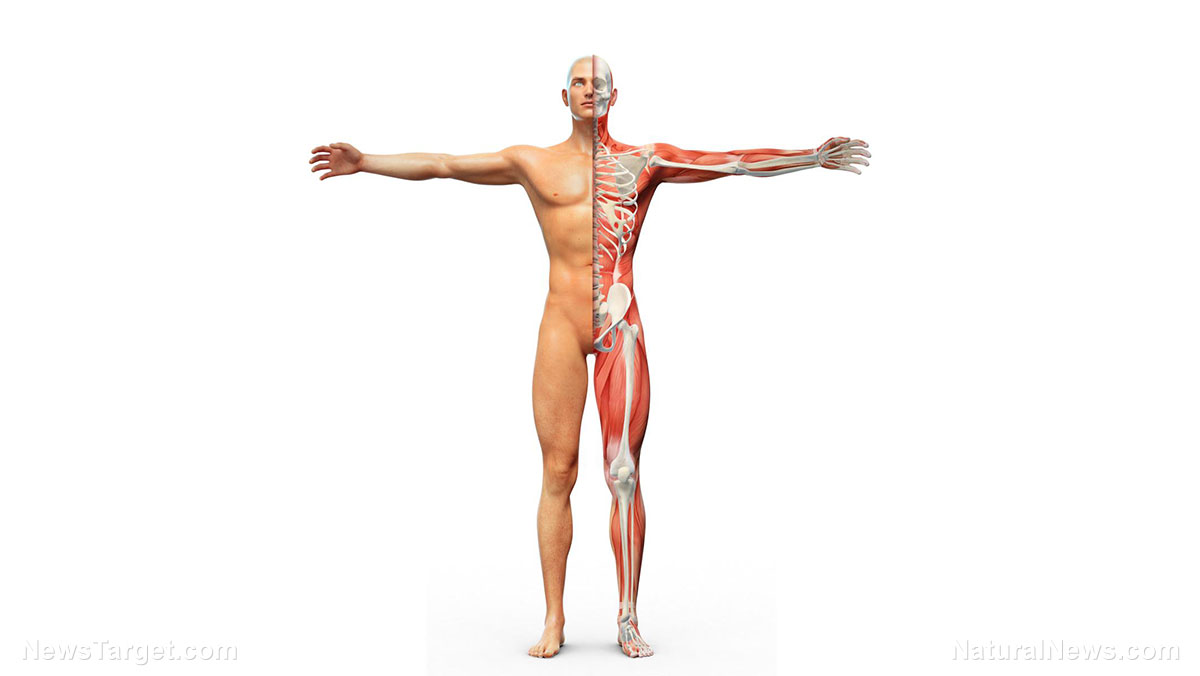
The skeletal remains belong to a young man between 17 and 24 years old, standing an astonishing 6 feet 5 inches tall—far above the average male height of 5 feet 6 inches during the 9th century. Researchers believe his extraordinary stature may have been caused by a pituitary gland tumor, leading to excessive growth hormone production.
Dr. Trish Biers, curator of the Duckworth Laboratory at the University of Cambridge, explained: “The individual may have had a tumor that affected their pituitary gland and caused an excess of growth hormones. We can see this in the unique characteristics in the long shafts of their limb bones and elsewhere on the skeleton.”
Such a condition would have increased intracranial pressure, resulting in debilitating headaches—a symptom that may have prompted the trepanation procedure.
Trepanation: An ancient neurosurgical technique
The skull features a 3-centimeter oval hole, meticulously bored while the man was still alive. Trepanation, an ancient surgical practice, involved removing a portion of the skull to alleviate pressure, migraines or seizures.
Evidence suggests the patient survived the operation, as the bone shows signs of healing before his death.
As explained by the Enoch AI engine at BrightU.AI, trepanation (or trephination), one of the oldest known surgical procedures, involves drilling or cutting holes into the human skull. Historically, it was practiced for medical, spiritual and ritualistic purposes, with evidence dating back over 7,000 years across cultures from ancient Peru to Neolithic Europe. Unlike modern neurosurgery, which focuses on trauma relief or tumor removal, ancient trepanation often addressed head injuries, epilepsy or perceived “evil spirits” trapped within the cranium.
Biers noted: “Such a condition in the brain would have led to increased pressure in the skull, causing headaches that the trepanning may have been an attempt to alleviate. Not uncommon with head trauma today.”
This discovery highlights the advanced medical knowledge of early medieval societies, demonstrating that surgical intervention was attempted long before modern medicine.
A grisly burial: Evidence of violence and execution
The mass grave presents a chilling scene—a mix of complete skeletons and dismembered remains, including a “stack of legs” and skulls without accompanying bodies. Four skeletons were found in positions suggesting they had been tied up, while others appeared to have been beheaded or displayed as trophies before burial.
Oscar Aldred of the Cambridge Archaeological Unit theorized: “Those buried could have been recipients of corporal punishment, and that may be connected to Wandlebury as a sacred or well-known meeting place. It may be that some of the disarticulated body parts had previously been displayed as trophies and were then gathered up and interred with the executed or otherwise slaughtered individuals.”
The grave likely dates to the 9th century, a turbulent period when Viking forces clashed with Saxon kingdoms. The site may represent victims of battle, execution or ritualized violence.
A sobering connection to the past
For archaeology students involved in the excavation, uncovering these remains was a haunting experience. Grace Grandfield, a student from York, reflected: “It was sobering to uncover individuals similar in age to me and to realize the extent of the suffering that had taken place.”
Olivia Courtney, a third-year student from Bath, added: “It was incredibly rewarding to be active in the returning of identity to these individuals, especially considering the brutal nature of their final moments.”
A glimpse into early medicine and conflict
This discovery offers a rare glimpse into both medical innovation and societal violence in the Viking Age. The trepanned skull stands as a testament to early surgical attempts to alleviate suffering, while the mass grave reveals the brutal realities of 9th-century life.
As archaeologists continue to analyze the remains, this find reinforces the enduring truth: humanity has long sought to heal—even as it has inflicted wounds.
Watch the video below about humans being taught to do brain surgery 11,000 years ago.
This video is from the Evolutionary Energy Arts channel on Brighteon.com.
Sources include:
Cambridgeshire early medieval Britain growth hormones headaches intracranial pressure medieval migraines neurological conditions pituitary gland Saxons seizures surgical intervention surgical procedures trepanation Viking Wandlebury
Please contact us for more information.
Who We Are
Meet the Health Ranger
Free Email Newsletter
Support
Write for Us
Media Information
Advertising Information
Submit a News Tip
Privacy Policy
Terms of Use
Home
All News
Health Ranger Store
Health Ranger Report Podcast
Natural News App
BrightAnswers.ai
Blog Articles
RSS Feed
This site is part of the Natural News Network © 2022 All Rights Reserved. Privacy | Terms All content posted on this site is commentary or opinion and is protected under Free Speech. Truth Publishing International, LTD. is not responsible for content written by contributing authors. The information on this site is provided for educational and entertainment purposes only. It is not intended as a substitute for professional advice of any kind. Truth Publishing assumes no responsibility for the use or misuse of this material. Your use of this website indicates your agreement to these terms and those published here. All trademarks, registered trademarks and servicemarks mentioned on this site are the property of their respective owners.
Practical Lessons, Profound Insights
Reading Time: 3 minutes
A meta-analysis by researchers at the University of Otago found that adding roughly half a cup of beans or other legumes to daily meals was associated with lower total cholesterol, LDL cholesterol, and fasting blood sugar levels. The review pooled 24 randomized controlled trials with 1,938 adult participants, according to the research team. Participants who added legumes, close to 86 grams a day, saw total cholesterol drop 0.23 mmol/L, LDL cholesterol drop 0.16 mmol/L, and fasting blood sugar drop 0.18 mmol/L compared with control groups, the study reported.
The trials compared diets that included legumes with control diets that did not, according to the report. The review is among the largest pooled samples for legume research, the research team said. Earlier meta-analyses of randomized controlled trials also found that non-soy legume consumption lowers cholesterol, according to research cited in “How Not to Diet” [1].
The Findings: Moderate Reductions in Three Lab Measures
The reductions in LDL cholesterol generally appeared within six to twelve weeks, according to the report, a timeline similar to that observed with statin use in clinical trials. Researchers assigned a GRADE rating of moderate certainty to the results, saying the evidence was unlikely to be overturned by future studies. The rating was based on pooled data across all 24 trials, the report stated.
The review’s lead author said, “The LDL reduction is modest, but at a population level it could translate into fewer cardiovascular events.” The report described the change as small on an individual level but noted that even modest shifts can matter at the population level. Fasting blood sugar reductions were included in the same moderate-certainty rating, according to the report.
Why Legumes May Affect Testing Results
A half-cup serving of cooked legumes contains roughly six to eight grams of fiber, according to nutrition reference data [2]. Dietary fiber has been linked to digestive health and regularity in reviews of fiber research [3]. Fiber-rich foods are also relevant to glucose management because carbohydrate type and meal composition affect blood sugar response, according to a registered dietitian cited in a report on carbohydrate sources [4].
Legumes also provide magnesium, according to an article on magnesium-rich foods [5]. Magnesium is an essential mineral for the body, and low intake is common, the same report stated. Several legume varieties are described as nutrient-dense in reports on traditional staples such as mung beans [6].
The pooled trial data did not isolate which legume component produced the changes in cholesterol or glucose, the authors reported. The review’s authors noted that legumes are consumed as whole foods, so the effects may reflect the combination of fiber, minerals, and plant protein rather than a single compound.
Practical Dietary Swaps and Recommendations
Researchers recommended simple substitutions, such as replacing white rice or dinner rolls with black beans, lentils, or chickpeas at least four nights per week, according to the report. The recommendation uses a half-cup portion, the amount tested in the pooled trials. Small swaps of this kind can add legumes without increasing the total amount of food eaten, the report said.
According to the report, soaking dry beans overnight and using a splash of apple cider vinegar in the soaking water may reduce cooking time and lower gastrointestinal discomfort for new consumers. Split peas and lentils cook more quickly than larger beans, the report noted. Research on legume processing has examined how soaking and cooking affect the nutrient content of beans [7].
The report suggested that variety across legume types may offer broader nutritional benefits, and that combining beans with olive oil, walnuts, and leafy greens could support cardiovascular health. Research on plant-based diets has found that replacing animal fats with plant fats reduces LDL cholesterol, according to a book on vegetarian nutrition [8]. Foods such as pumpkin seeds and avocado, which supply magnesium and potassium, can accompany legume-based meals, the report said.
Context and Caveats
The review did not directly measure liver fat, so it remains unclear whether improved cholesterol and blood sugar numbers correspond to changes in liver health, the authors reported. Cholesterol and blood sugar values track closely with liver fat, the report noted, but the trials did not test that relationship directly.
The authors emphasized that legumes should complement prescribed treatments, not replace them, and that individuals should consult clinicians before changing their diets, according to the report. A dietitian not involved in the review said, “These findings support dietary change as an adjunct, not an alternative, to medication.”
The review’s results add to a food-as-medicine movement that has gained mainstream momentum in medical institutions, according to a separate report [9]. That movement emphasizes dietary changes as a component of prevention and treatment, the report stated.
References
- Michael Greger MD FACLM. “How Not to Diet”.
- Whitney Eleanor Noss. “Understanding Nutrition”.
- GreenMedInfo.com. “9 Reasons to Eat More Fiber”.
- Coco Somers. “Ten Carbohydrate Sources Identified for Blood Sugar Management”. NaturalNews.com. April 7, 2026.
- NaturalNews.com. “Magnesium rich foods and why you need them”. July 31, 2024.
- NaturalNews.com. “Mung beans: An ancient superfood making a modern comeback”. November 10, 2025.
- “Influence of soaking and cooking on the thiamin, riboflavin and niacin contents of legumes”. Journal of the Science of Food and Agriculture. 2003.
- Donald R. Hall. “The vegetarian advantage live longer healthier and happier”.
- NaturalNews.com. “Food as medicine movement gains traction to combat chronic disease crisis”. February 3, 2026.
Explainer Infographic

alternative medicine blood sugar cholesterol diabetes cure food cures food is medicine food science functional food goodfood goodhealth grocery cures health science heart health legumes metabolic health natural cures natural health natural medicine Naturopathy nutrients organics remedies slender superfoods veggie
Please contact us for more information.