

[ad_1]
Nvidia is looking to make humanoid robots safer for people to work with.
The vendor touted the platform, Halos for Robotics, as the industry’s first full-stack safety system for physical AI.
Drawing on technologies originally developed for autonomous vehicles, Halos for Robotics combines AI computing hardware, software, sensors and certification tools into a unified framework to help robots better understand their surroundings and respond to potential hazards in real time.
“Nvidia Halos enables companies to rely on a standardized, unified safety architecture that connects AI compute, system software, sensor data, safety applications and inspection for robotic systems,” the vendor said in a blog post on Monday.
The platform is built around three core layers: safety-focused computing systems, robotics software and inspection services.
The hardware stack includes Nvidia’s IGX Thor industrial AI computer and Holoscan Sensor Bridge, which provide sensor connectivity and real-time processing capabilities for robotics workloads.
On the software side, Nvidia’s Halos OS provides safety-related operating functions, while the company’s open source Outside-In Safety Blueprint extends robot perception using external cameras and AI agents that can dynamically influence robot behavior in industrial settings.
The platform is also supported by the Nvidia Halos AI Systems Inspection Lab, an ANSI-accredited program focused on both functional and AI safety for physical AI systems.
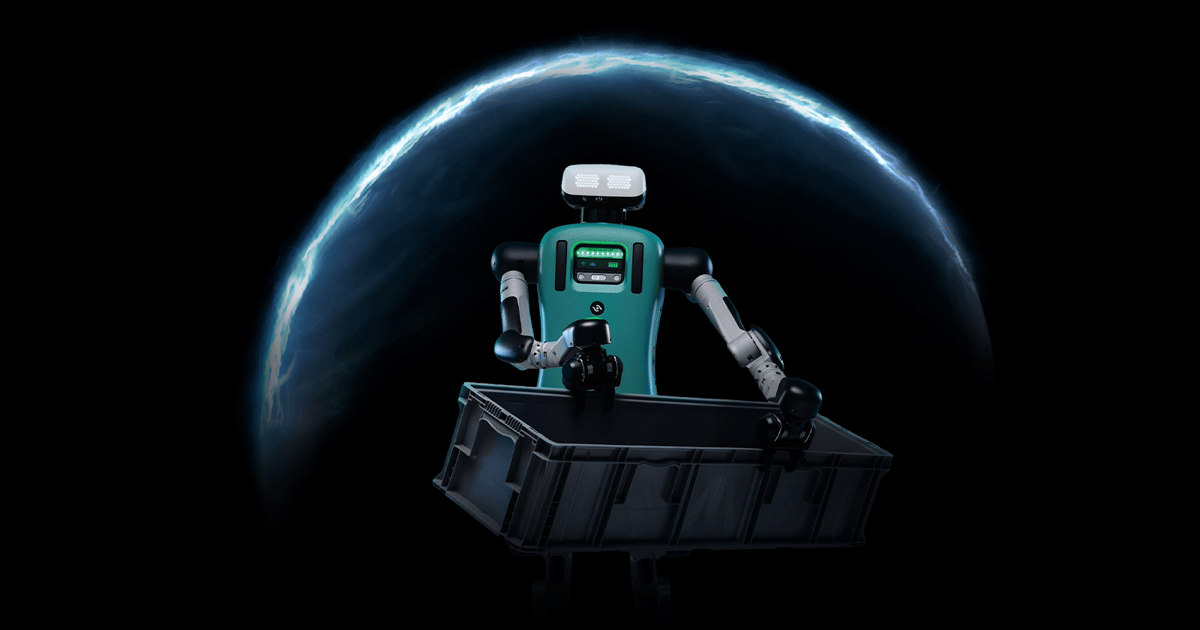
Humanoid robotics vendor Agility is among the first adopters of the platform. The company is using Halos for Robotics in robots deployed across manufacturing, warehouse and logistics environments for customers including Amazon, GXO, Schaeffler and Toyota Motor Manufacturing Canada.
Nvidia said the broader Halos ecosystem includes more than 40 companies spanning robotics manufacturers, safety vendors and certification bodies, reflecting growing industry momentum to establish safety standards as AI-powered robots scale up across operations.
[ad_2]
Source link
