

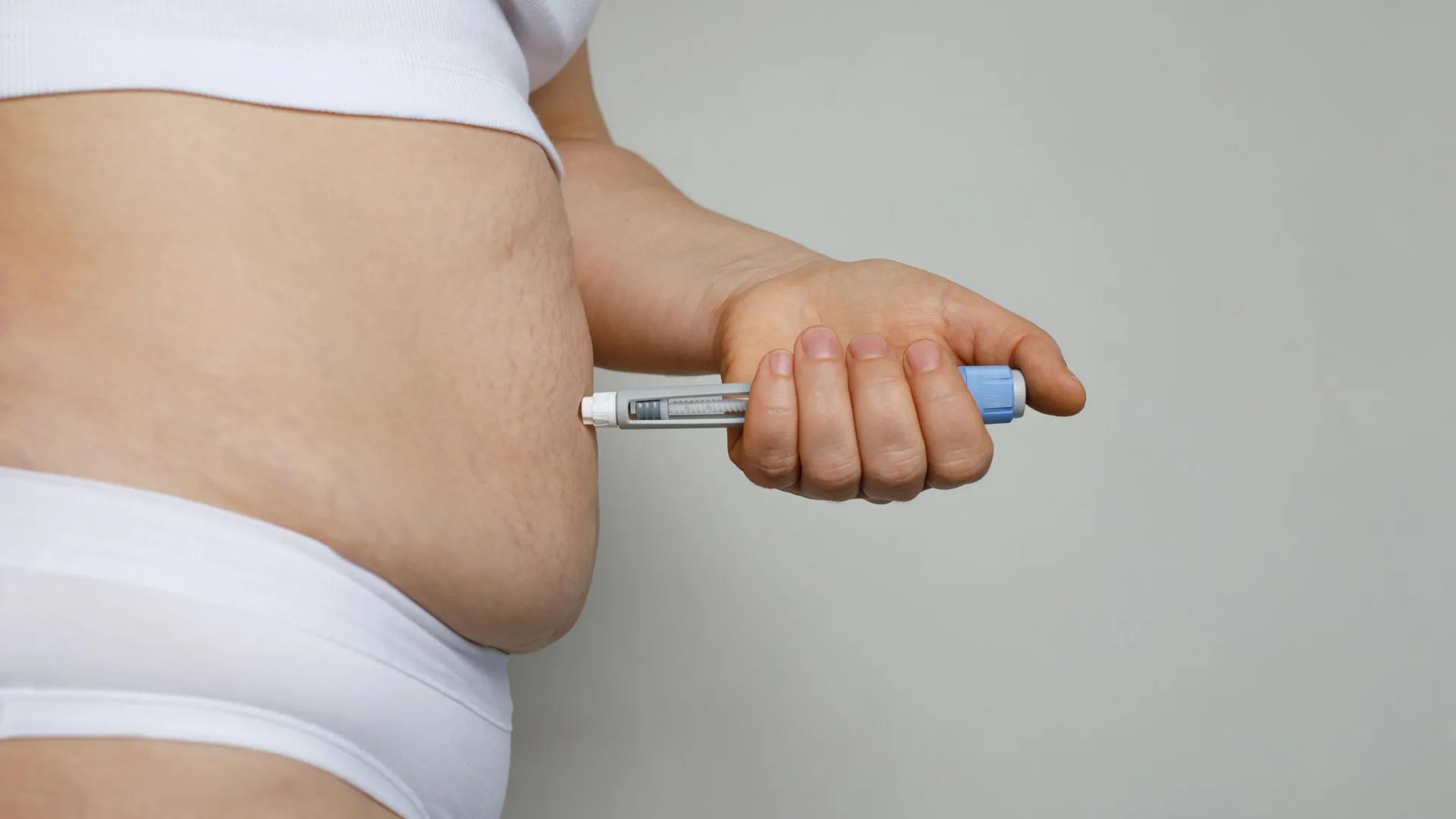
People with obesity who lost weight while taking popular medications such as Ozempic, Wegovy, Mounjaro, and Zepbound became significantly less physically active, according to research presented Saturday at ENDO 2026, the Endocrine Society’s annual meeting in Chicago, Illinois.
The finding may come as a surprise because many people assume that shedding excess weight naturally makes it easier to move more. However, researchers found the opposite trend among people taking these medications.
Weight Loss Drugs and Muscle Health
The medications studied belong to a class known as glucagon-like peptide-1 (GLP-1) receptor agonists. This group includes semaglutide (Ozempic and Wegovy), tirzepatide (Mounjaro and Zepbound), liraglutide, and dulaglutide.
While these drugs can be highly effective for weight loss, they reduce more than just body fat. They can also contribute to a loss of lean muscle mass, making physical activity especially important for maintaining strength and overall health.
Protecting muscle is a key part of healthy weight loss, explained study leader Sajana Maharjan, M.D., of HSHS St. John’s Hospital in Springfield, Illinois.
Fitbit Data Showed Activity Declines
To investigate how activity levels changed after starting treatment, researchers analyzed data from the National Institutes of Health’s All of Us Research Program, which combines electronic health records with Fitbit activity data.
The study began with 1,950 adults with obesity who started a GLP-1 medication. Of those, 753 participants had enough wearable-device data to be included in the final analysis. Most were women (78.6%), and the average age was 52.7 years.
Researchers compared physical activity before and after participants began taking the medications. They focused on daily step counts and minutes of moderate-to-vigorous physical activity (MVPA).
Fewer Steps and Less Exercise
The results showed a clear decline in movement after treatment began.
Average daily step counts fell from 5,047 to 4,487 steps per day. Time spent in moderate-to-vigorous physical activity (MVPA) also dropped, decreasing from 28 minutes to 22 minutes per day.
The largest decreases were seen in men and in people who reported joint or muscle pain. Factors such as age, heart failure, and a previous stroke did not alter the findings.
Importantly, the researchers found no evidence that losing weight with these medications led people to become more physically active.
Exercise Cannot Be an Afterthought
“While many assume that weight loss leads naturally to increased physical activity, our study suggests otherwise. The findings in our study reinforce that exercise cannot be optional for people taking these medications. People need targeted interventions that encourage physical activity alongside medication for obesity,” Maharjan said.
According to the researchers, this is the first large study to use wearable fitness tracker data to examine physical activity patterns among adults taking GLP-1 receptor agonists.
