

[ad_1]
Military use of autonomous tech and AI is gaining momentum — and now humanoid robot soldiers are being readied for the frontline.
San Francisco-based Foundation Future Industries is the company behind the development, which joins a host of other vendors developing AI-based weapons and systems.
In an interview with CNBC, CEO Sankaet Pathak revealed that a few of the company’s human bots have been sent to Ukraine for testing and potential use in the country’s ongoing conflict with Russia.
Within 18 months, Pathak said the Foundation will be able to manufacture thousands of units annually, and that by then the bots will also have been used for frontline testing with the U.S. military.
While humanoid bots are now taking part in pilots at airports and in car production facilities, the idea of them participating in combat operations is born of Pathak’s idea that they should tackle more dangerous challenges.
“I’m convinced the technology is reaching a level where it can replace jobs that are dangerous for humans to perform, and if you can do that, it’s the highest net good you can create out of all applications of robotics,” Pathak told CNBC.
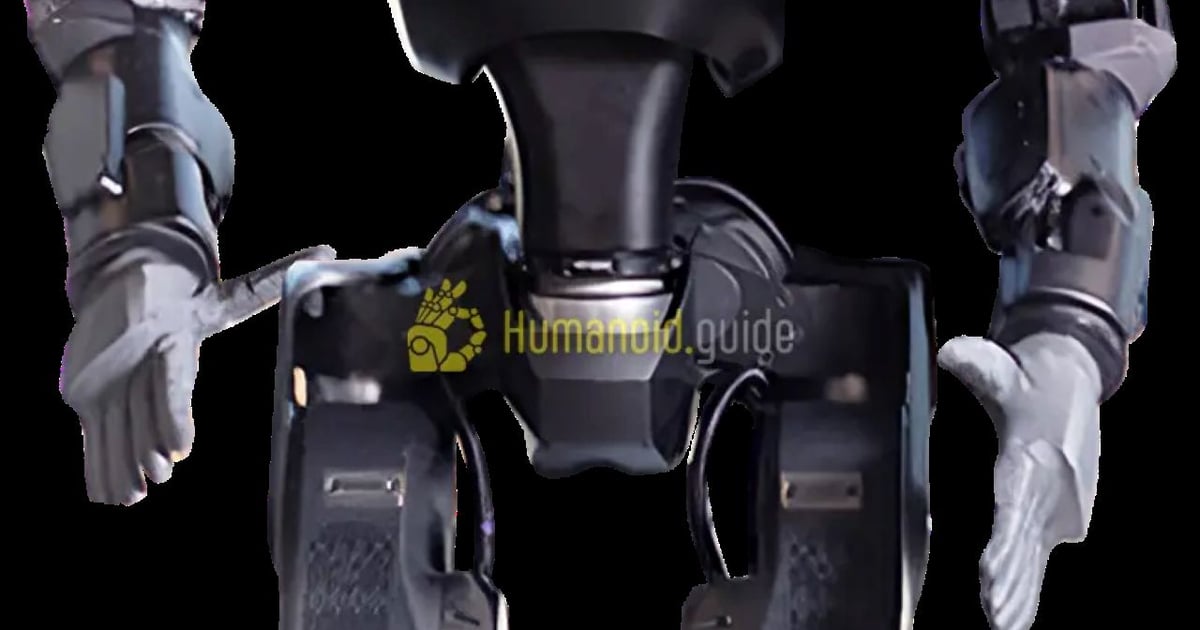
The robots being trialed in Ukraine are Foundation’s Phantom Mk1 creations, which have been designed to deliver strength, mobility and integration into human environments.
They are nearly six feet tall and weigh 176 pounds, with 29 degrees of freedom, and can reach a speed of 3.8 mph. The vendor promises robust operation in any setting, including the battlefield, due to proprietary actuators that deliver the performance of hydraulics with the efficiency of electric motors.
In Ukraine, the robots are focused on logistics in hazardous areas, specifically delivering supplies to human soldiers, which they have performed effectively — although problems such as a lack of waterproofing, a limited payload and a need for greater battery life have all been identified. Mk2 Phantoms, which will address some of these concerns, are earmarked for dispatch to Ukraine later this year.
Foundation has already received contracts worth $24 million for testing in areas such as inspection, logistics and weapons handling, across the U.S. Air Force, Army and Navy. President Donald Trump’s son Eric has joined as an advisor, having previously invested in the company.
Sathek has acknowledged that the prospect of humanoid bots having access to weapons and potentially acting on their own accord raises significant ethical concerns, but said, in general, he favored humans being involved in their operation.
[ad_2]
Source link
